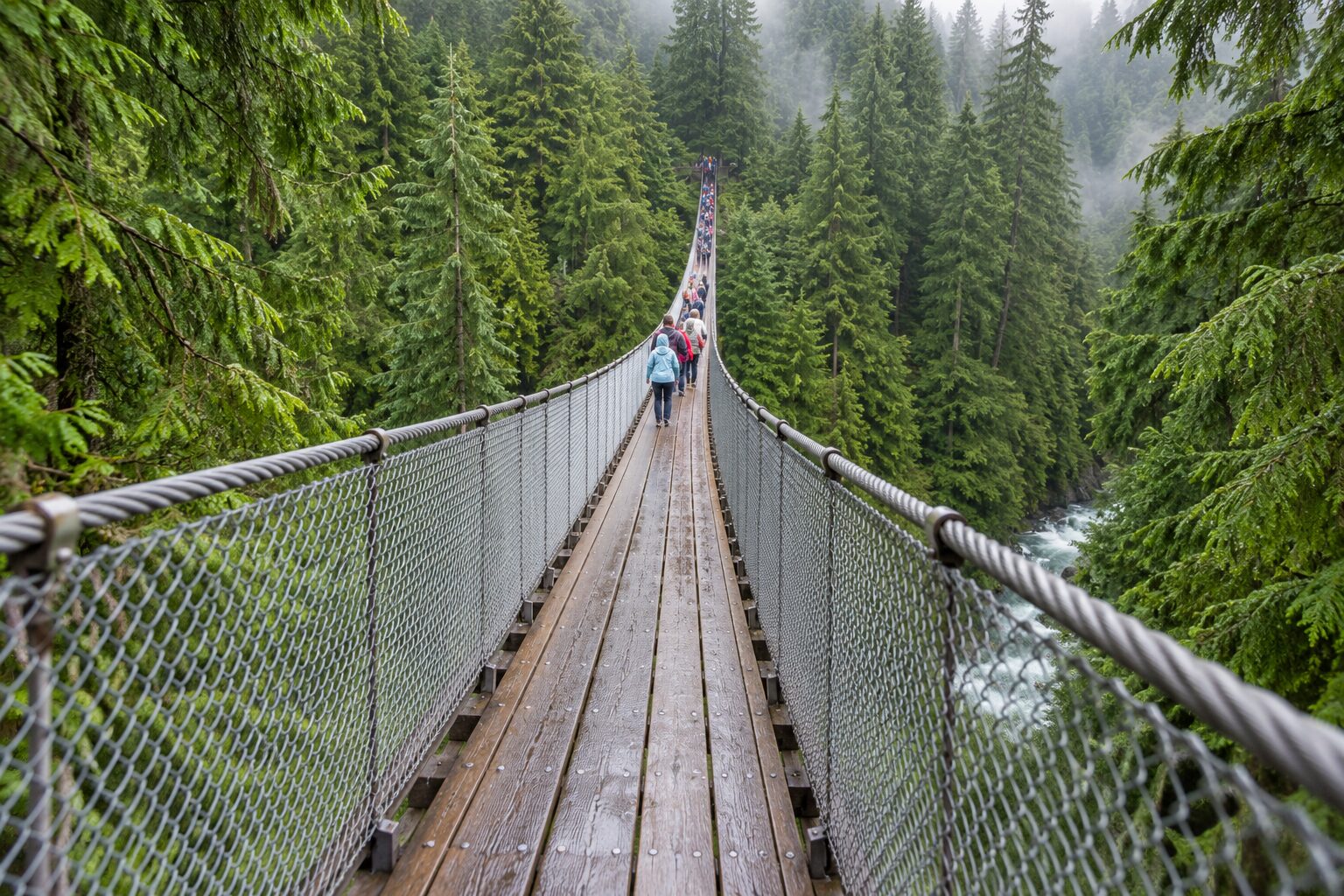
Bridges & Canyons
Sky-high suspension bridges, cliff catwalks and river gorges — where the walk itself is the adventure.
The guide to wild Canada
Inspired by wild places
Canada Bridge brings together the country's best active-travel destinations in one place — the sky-high bridges, glacier walks, surf beaches and canoe lakes that make an adventure worth the miles.
For every spot we tell you what makes it special, what you can do there, how it rates for adventure, scenery, families and access, and exactly how to get to the trailhead.
Explore destinations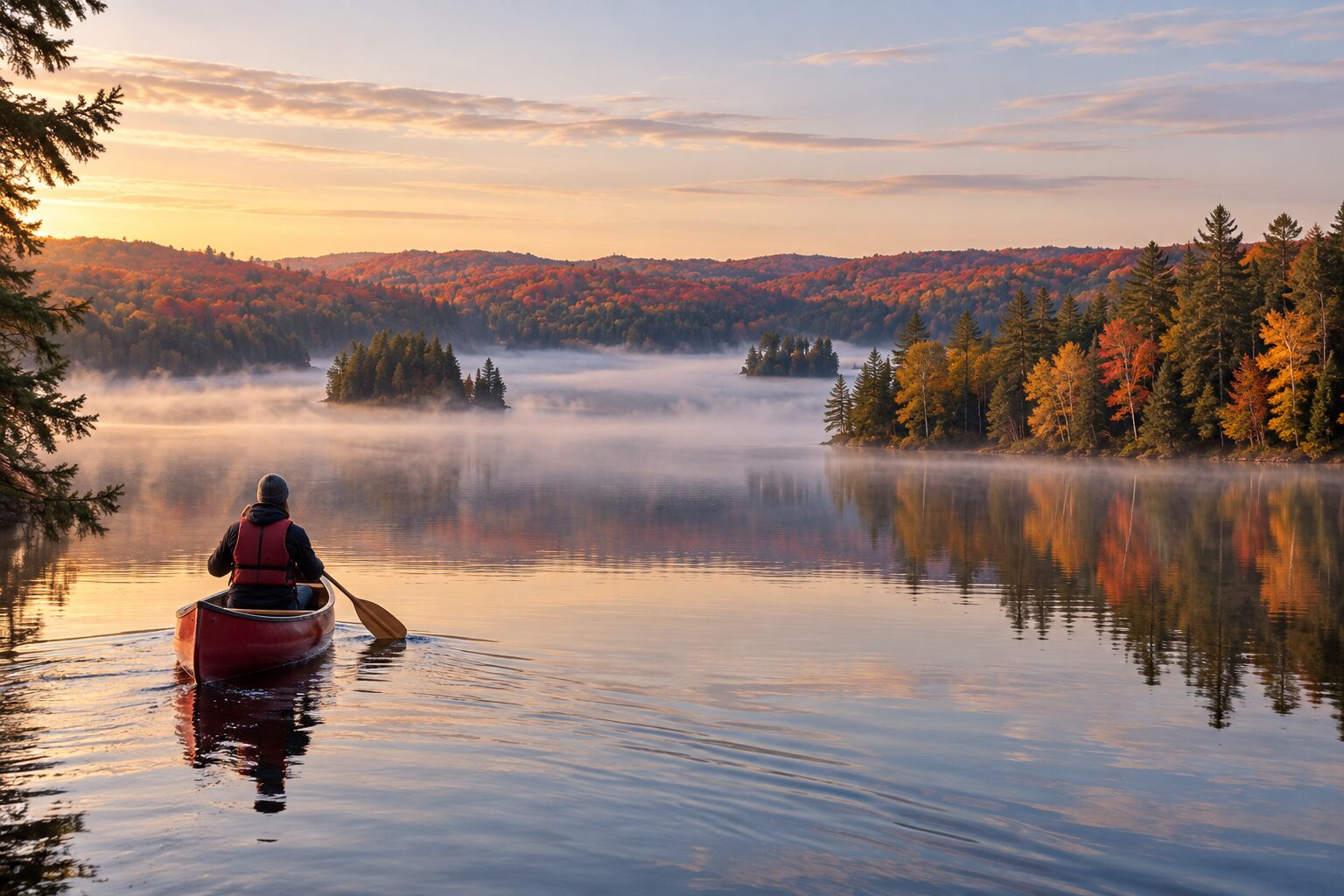
Choose your Canadian adventure
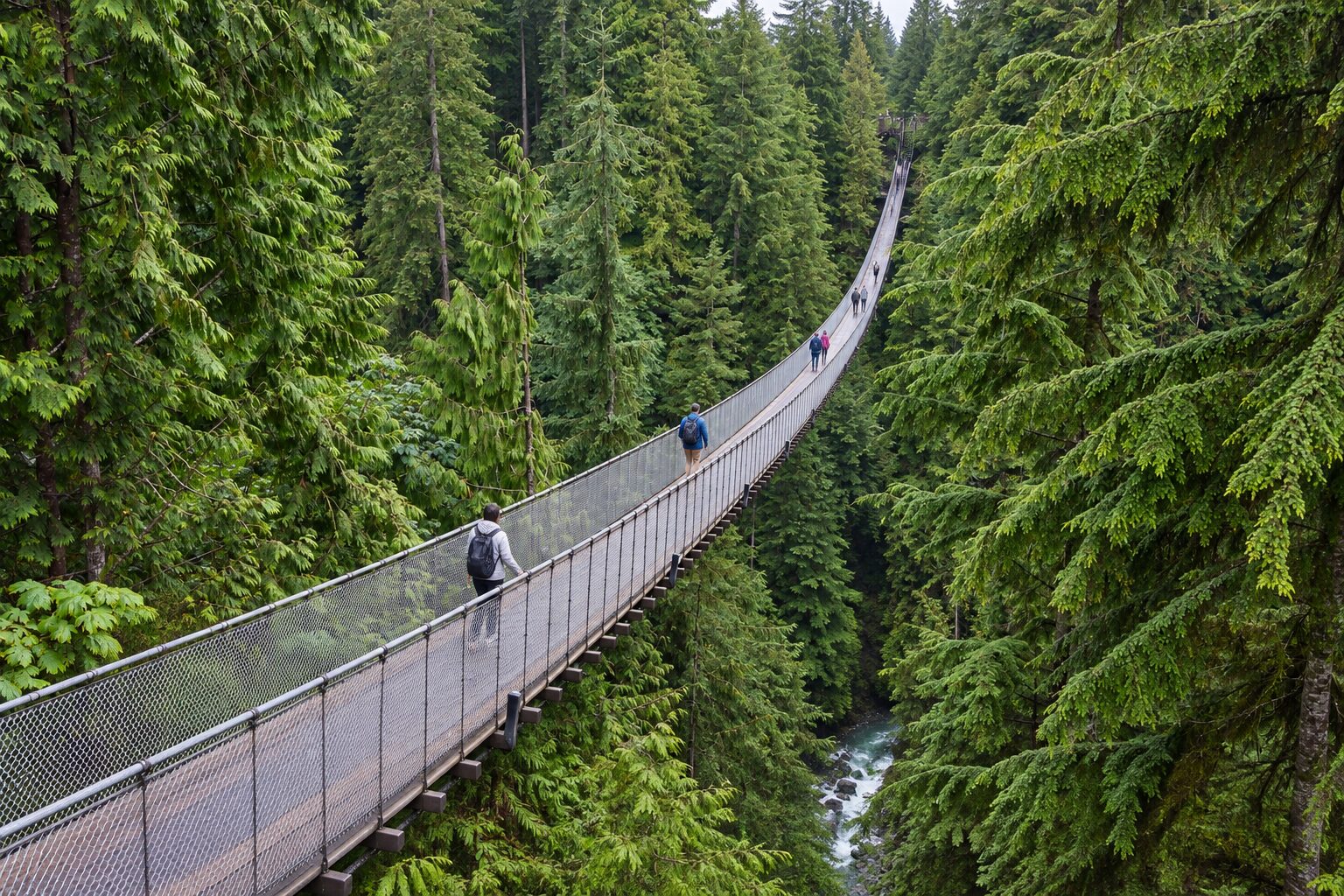
Sky-high suspension bridges, cliff catwalks and river gorges — where the walk itself is the adventure.
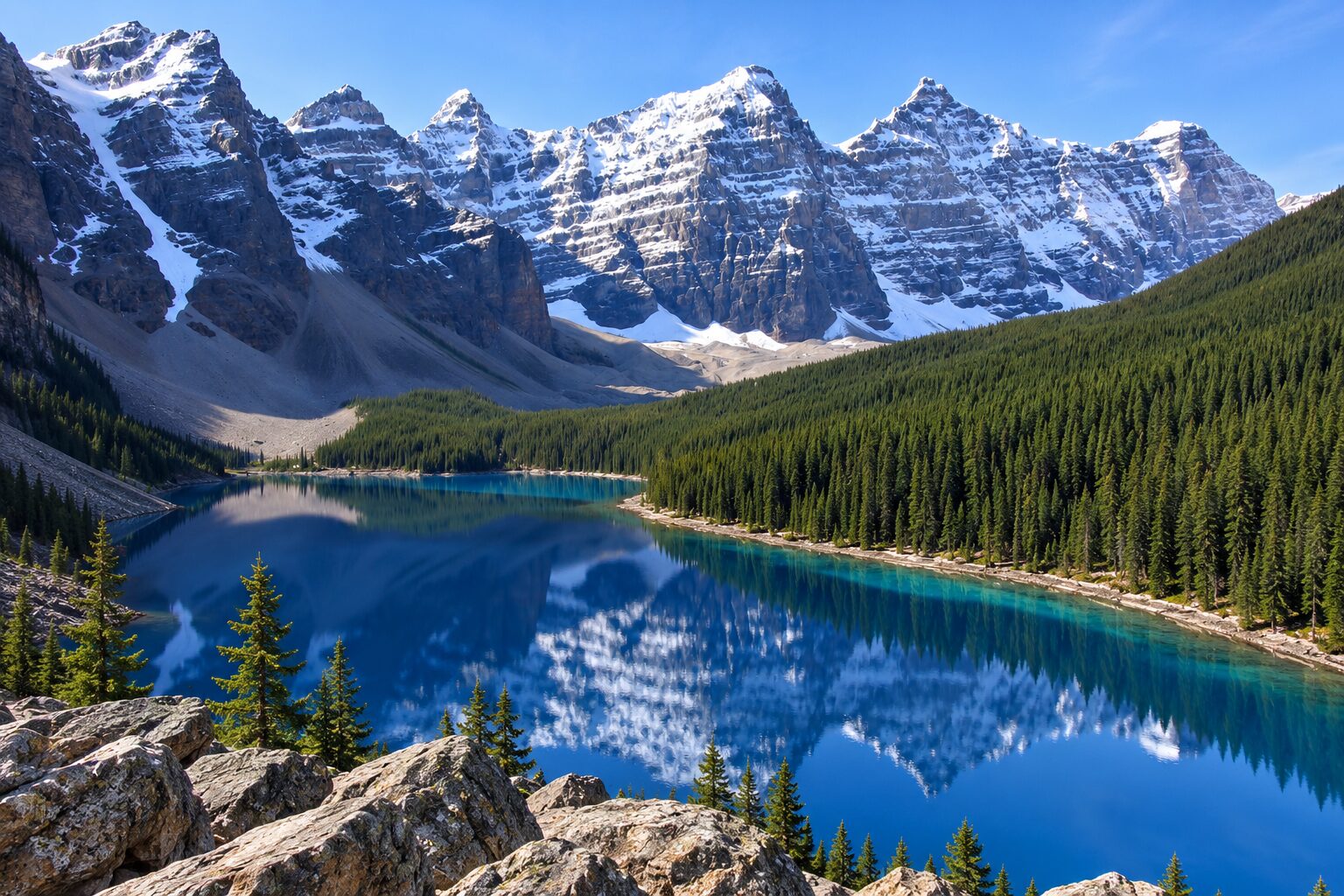
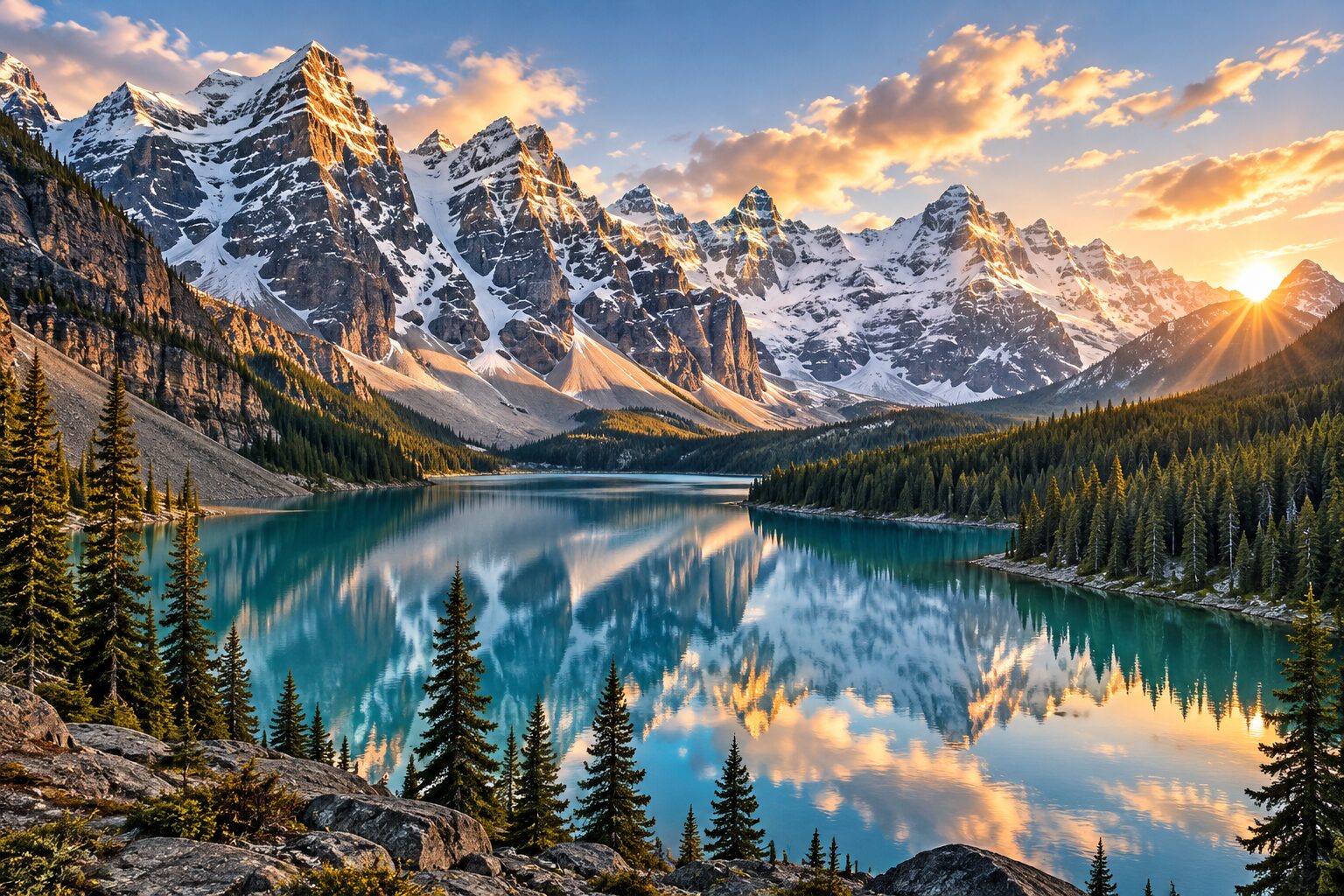
Turquoise lakes, living glaciers and Rocky Mountain trails, from easy lakeshores to alpine passes.
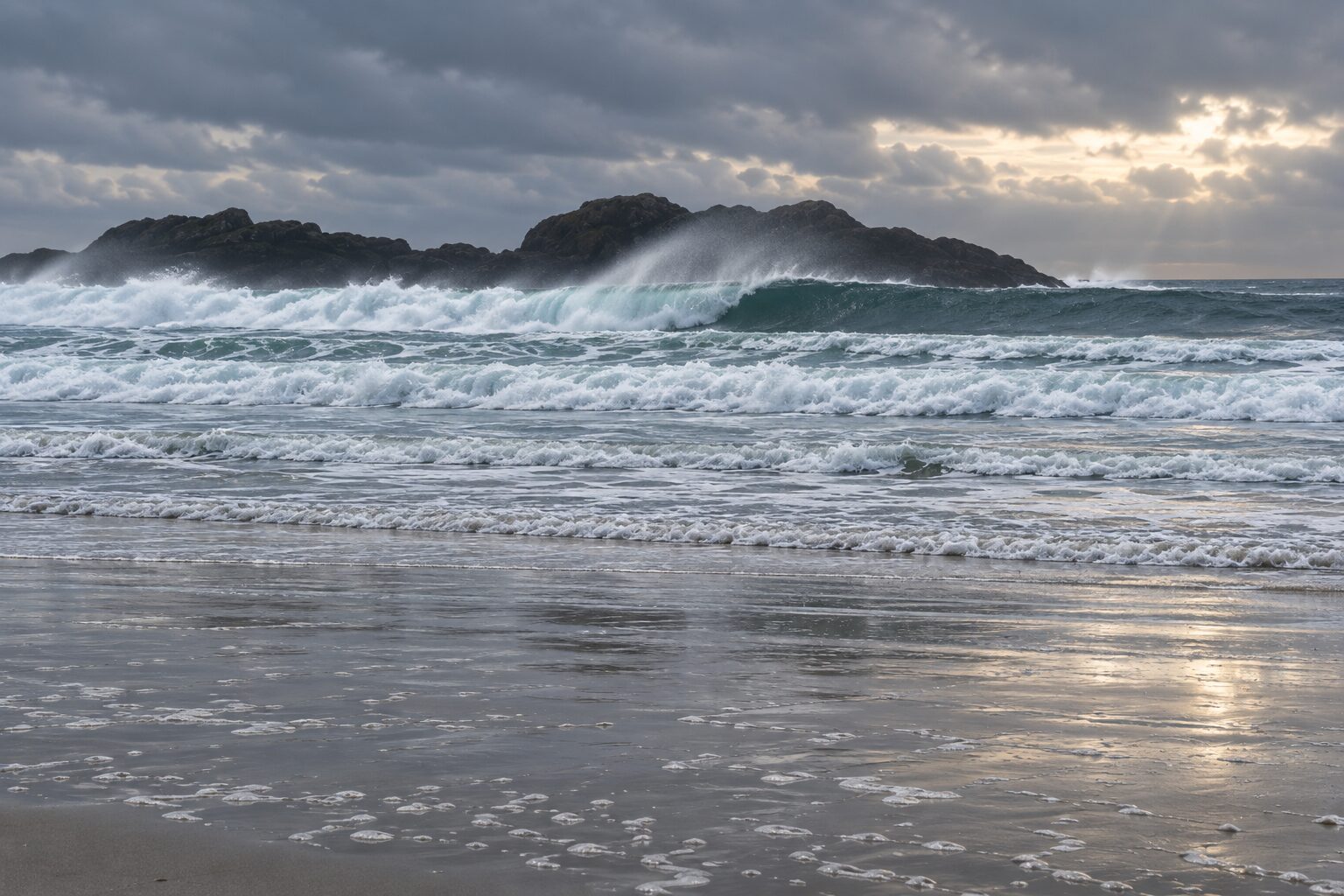
Pacific surf, Atlantic tides and inland canoe country — Canada's edges are made for the water.
The destinations
Coast to coast, these are the places worth building a trip around — each rated and mapped so you know what you're in for.
A 137-metre cedar-plank bridge sways 70 metres above the Capilano River, joined by the cliff-hugging Cliffwalk and the Treetops Adventure walkways strung between old-growth Douglas firs. The original West Coast thrill walk.
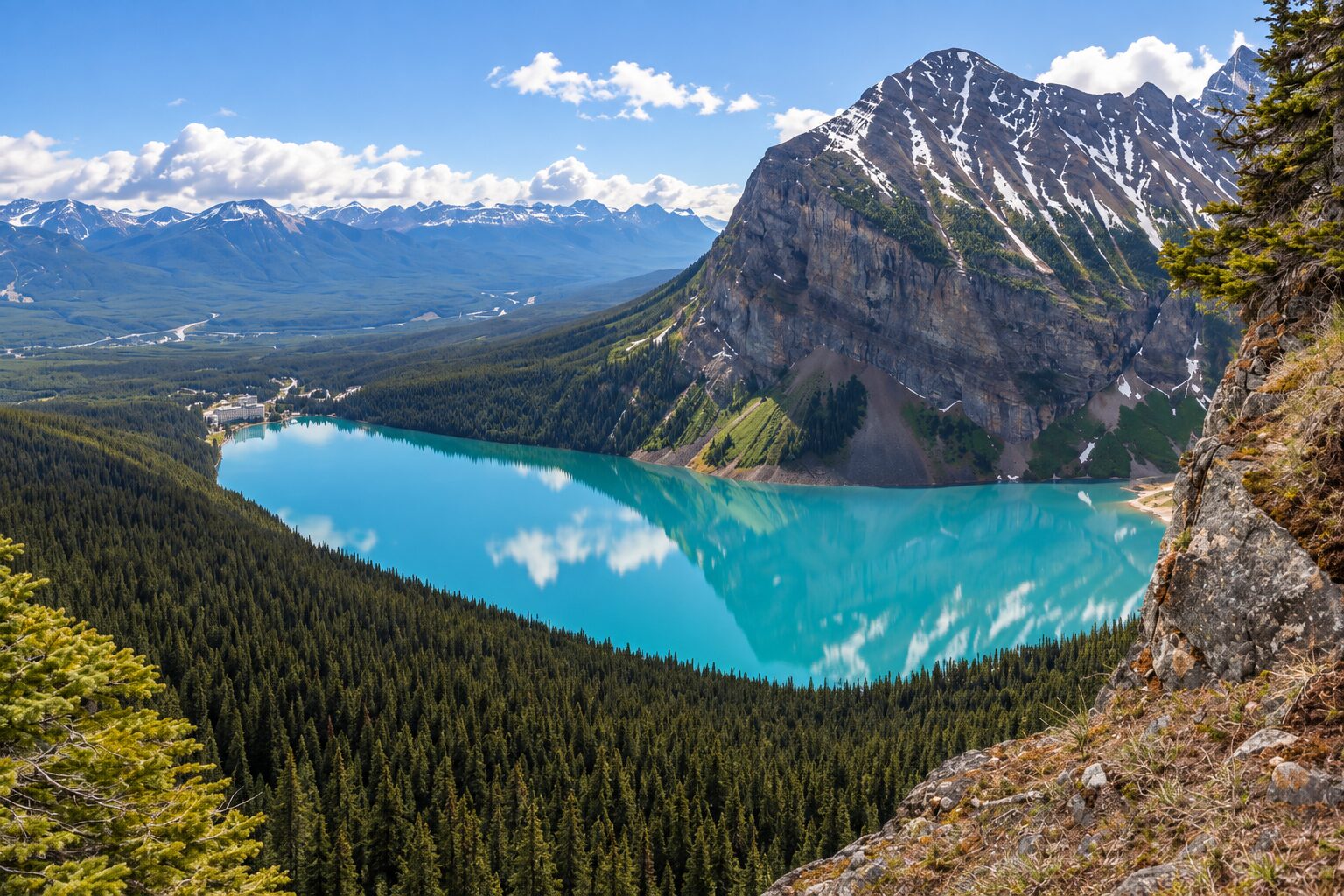
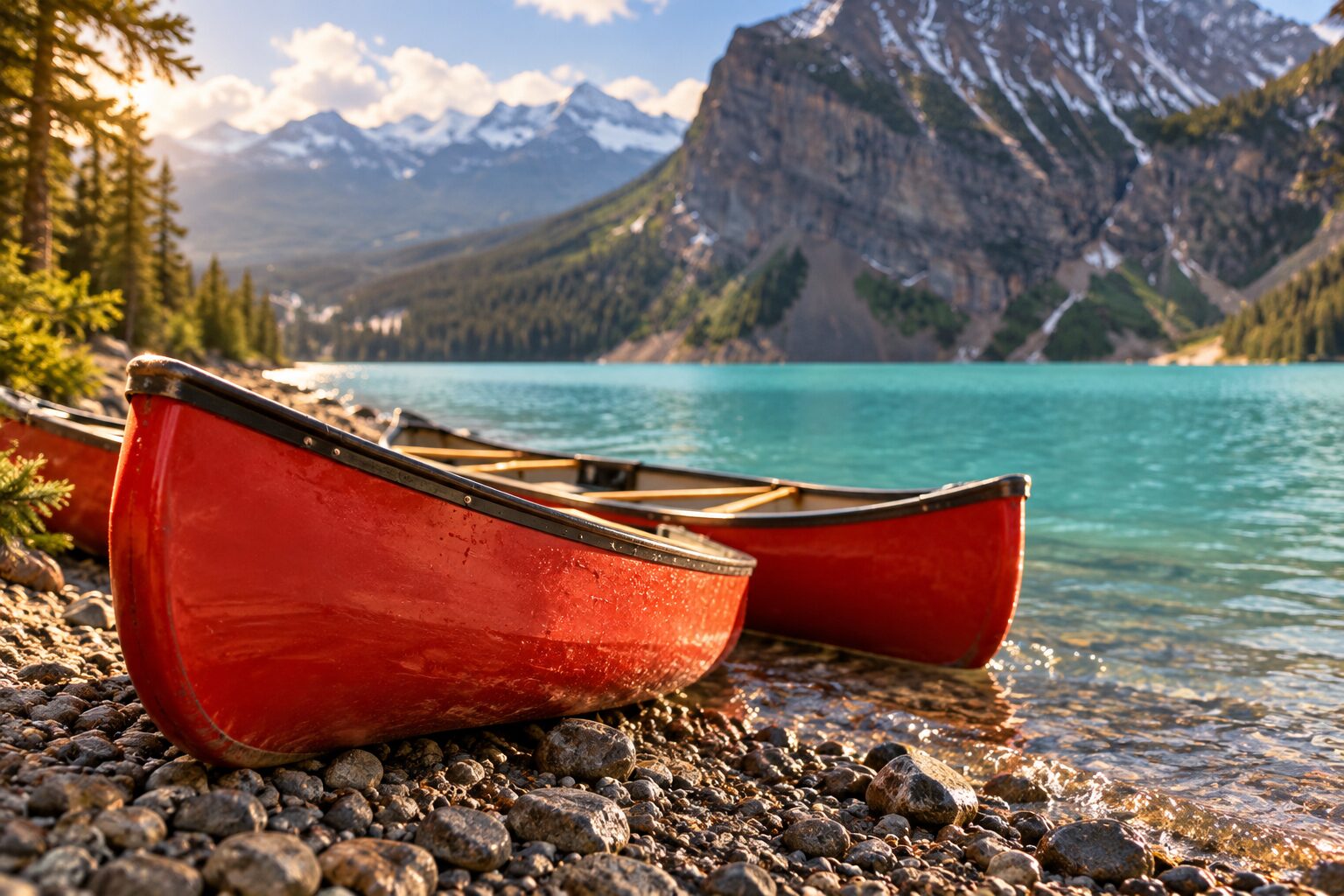
The turquoise showpiece of the Canadian Rockies, framed by the Victoria Glacier. Paddle a canoe on glacial meltwater, hike up to the Lake Agnes Tea House, or ride the summer gondola into grizzly country.
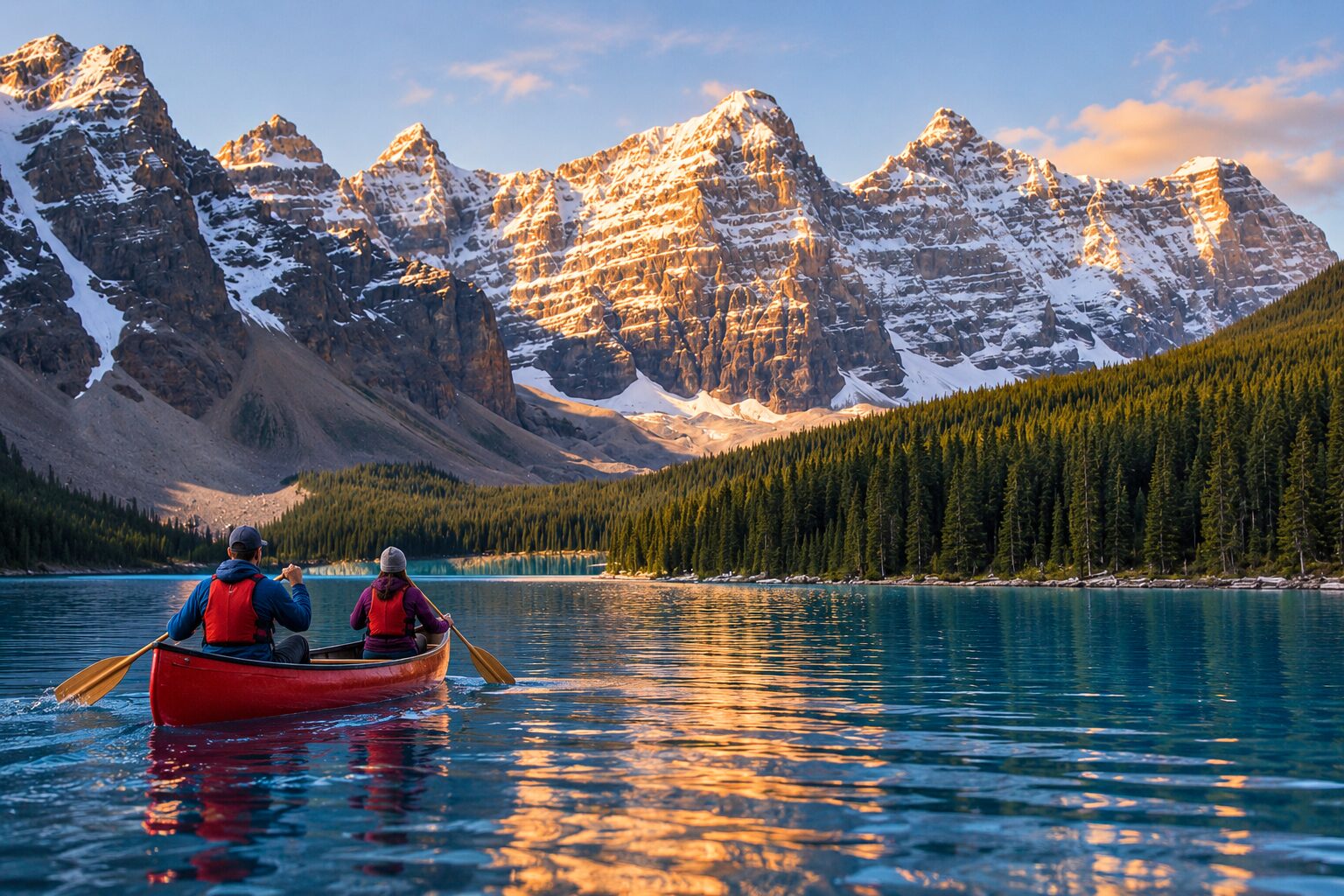
The deep-blue lake beneath the ten jagged peaks of the Valley of the Ten Peaks — arguably the most photographed view in Canada. Scramble the Rockpile at sunrise, paddle a canoe, or chase golden larches in September.
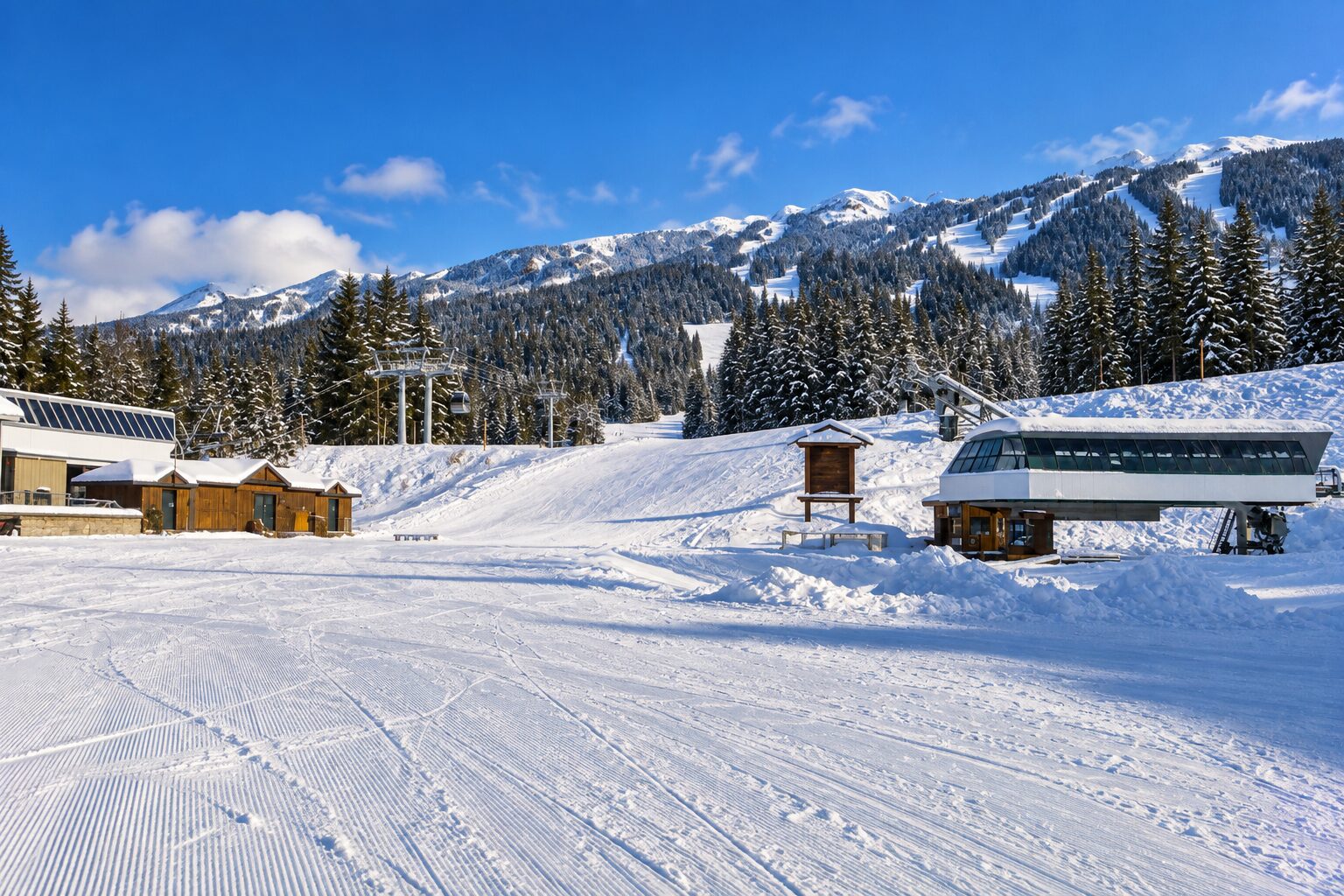
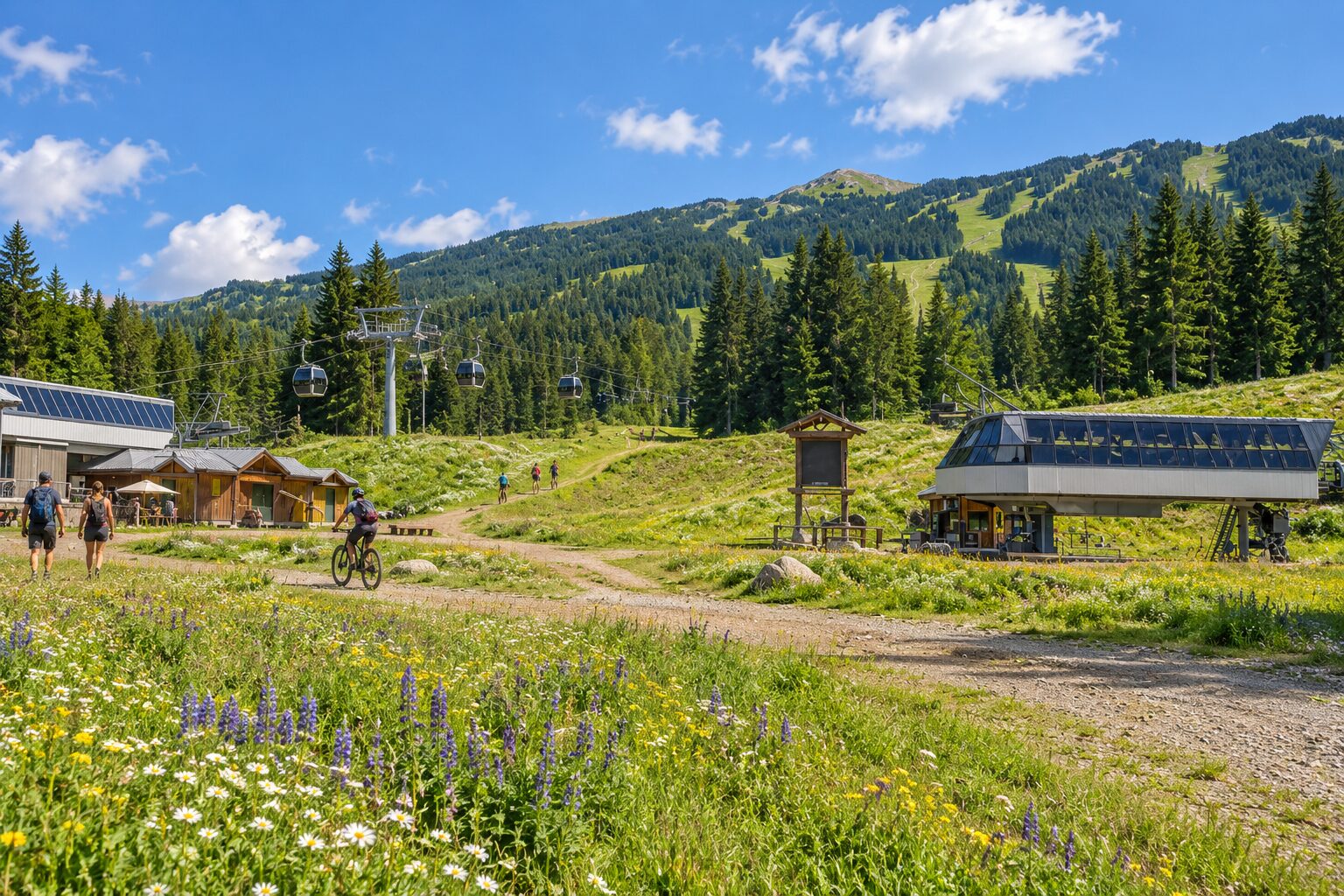
North America's biggest ski resort in winter and a mountain-bike and alpine-hiking mecca in summer, linked by the record-breaking PEAK 2 PEAK Gondola strung between Whistler and Blackcomb mountains.
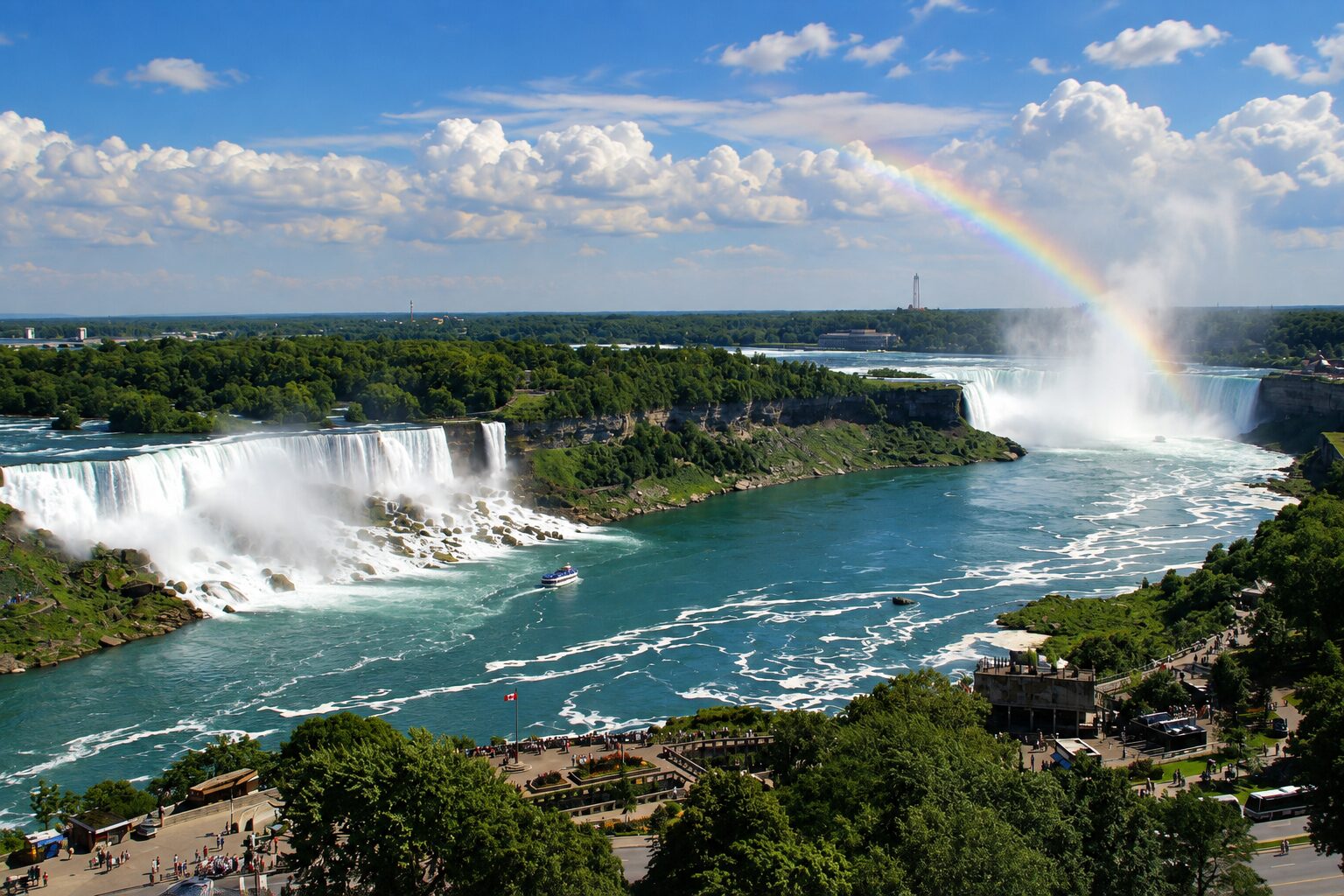
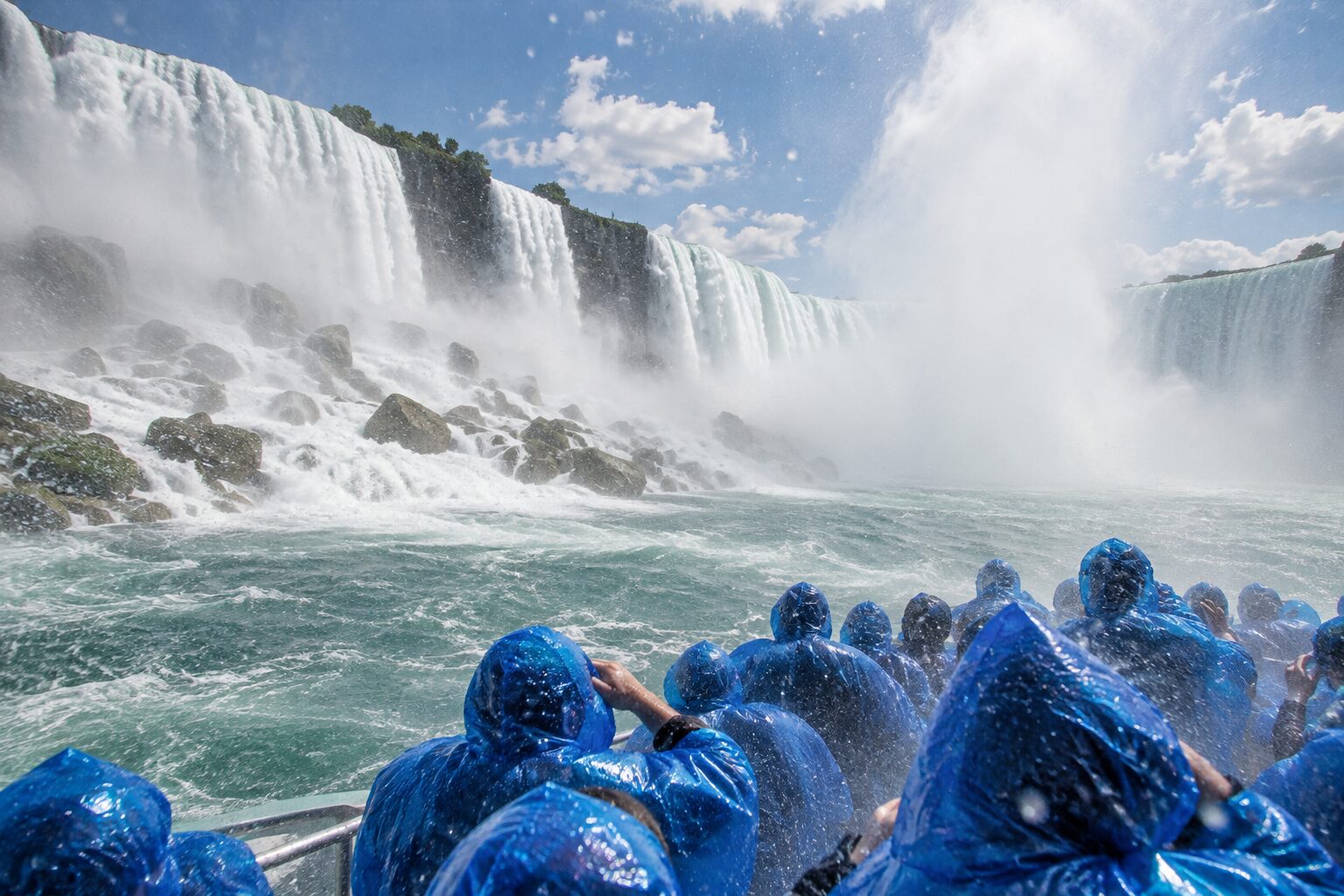
Three thundering waterfalls on the Canada–US border, with 2,800 cubic metres of water a second going over the Horseshoe. Ride the boat into the mist or walk the tunnels behind the wall of water.
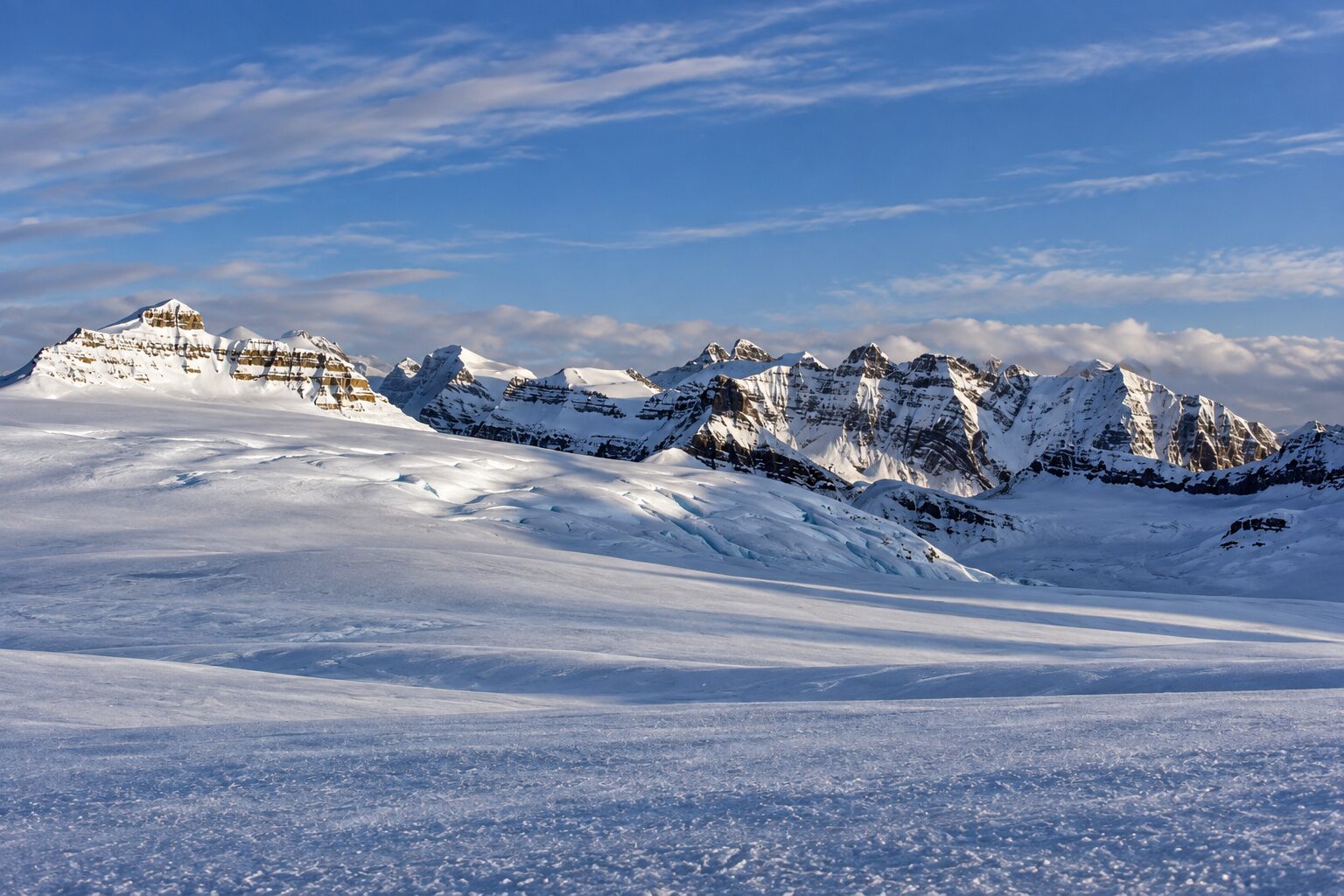
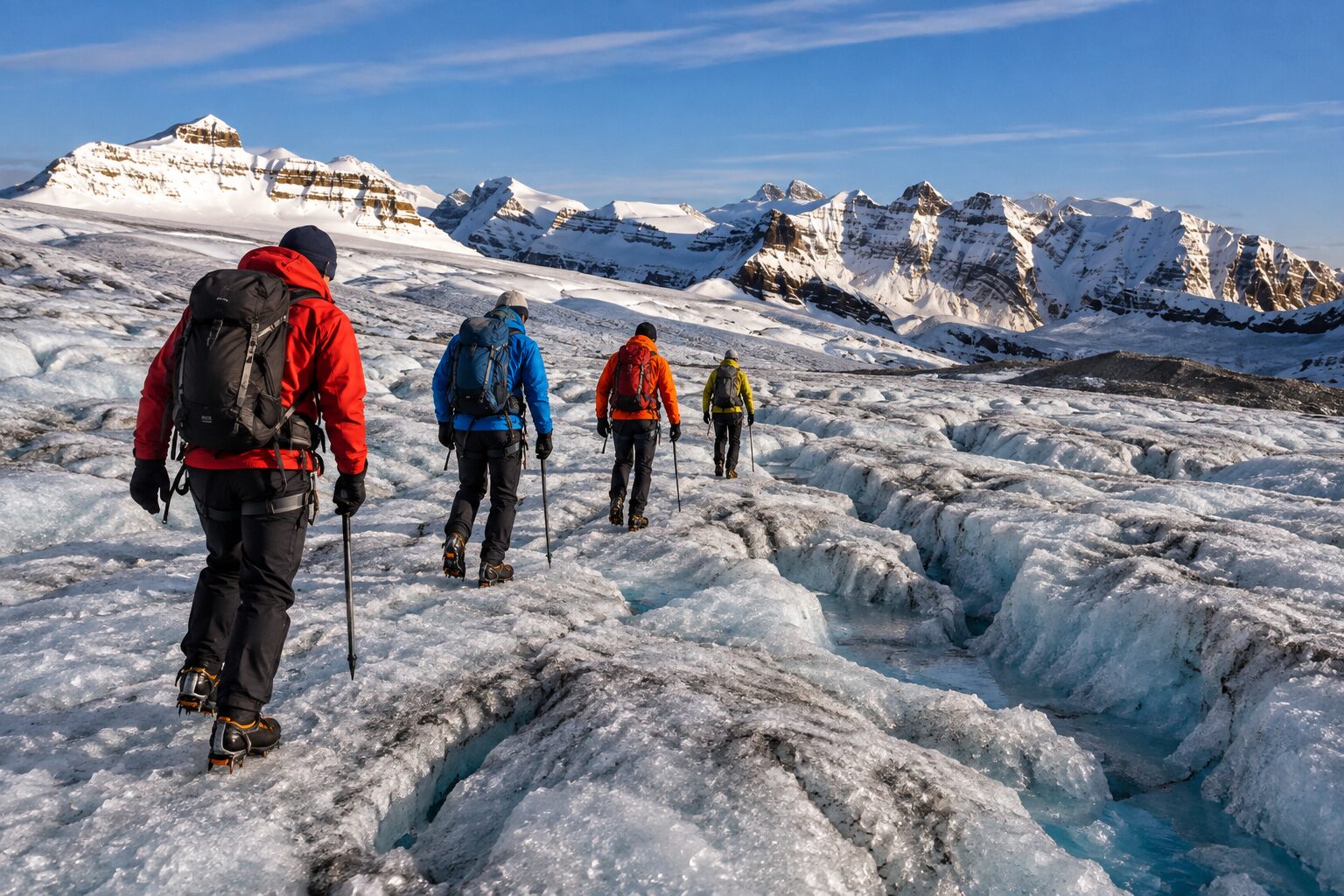
The largest icefield in the Rockies feeds the Athabasca Glacier, which you can walk on with a guide or ride onto in a giant Ice Explorer. The Icefields Parkway to reach it is a bucket-list drive in itself.
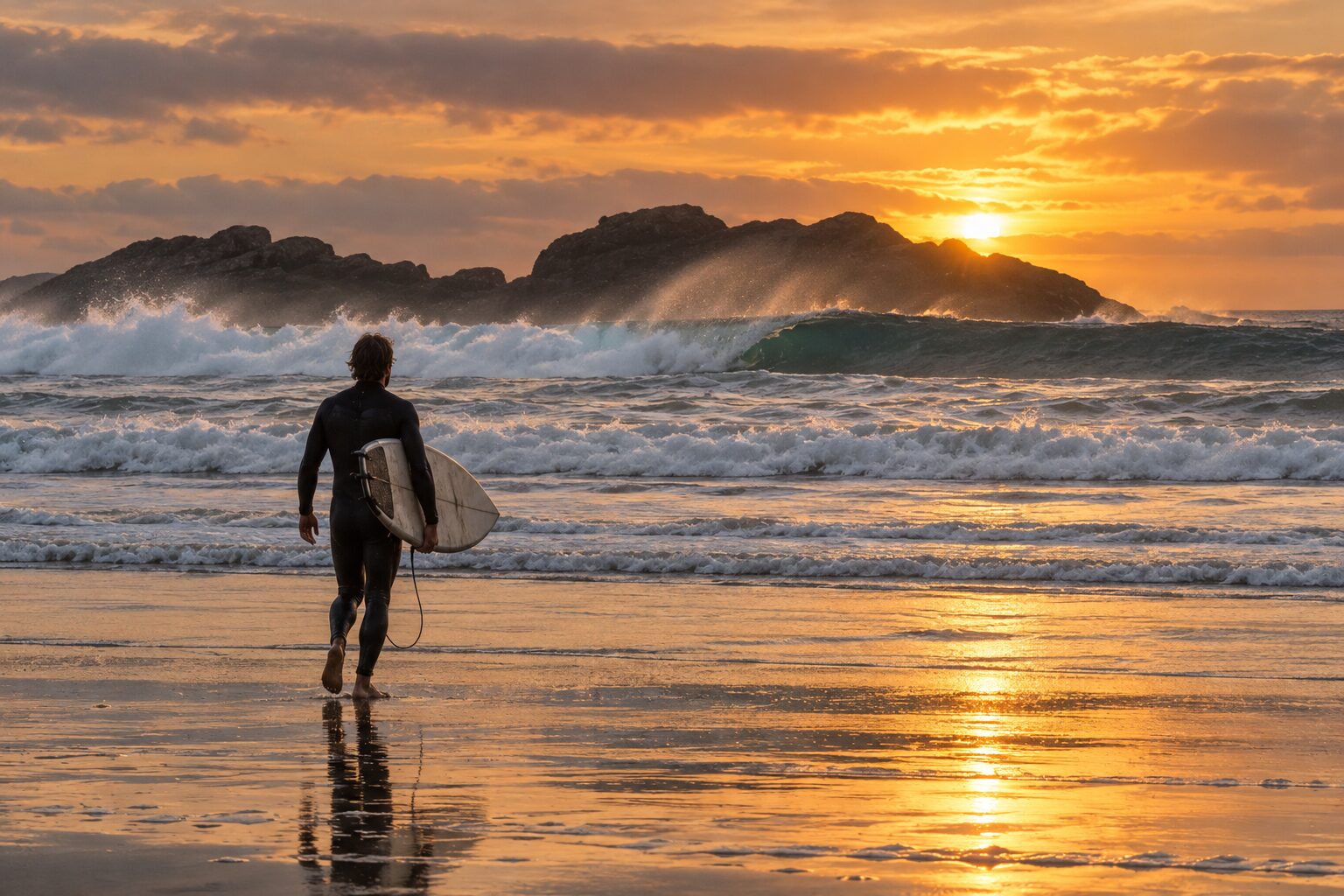
Canada's surf capital, where old-growth rainforest meets the open Pacific. Long Beach delivers year-round swell, winter storm-watching draws crowds to the coast, and the Wild Pacific Trail hugs the headlands.
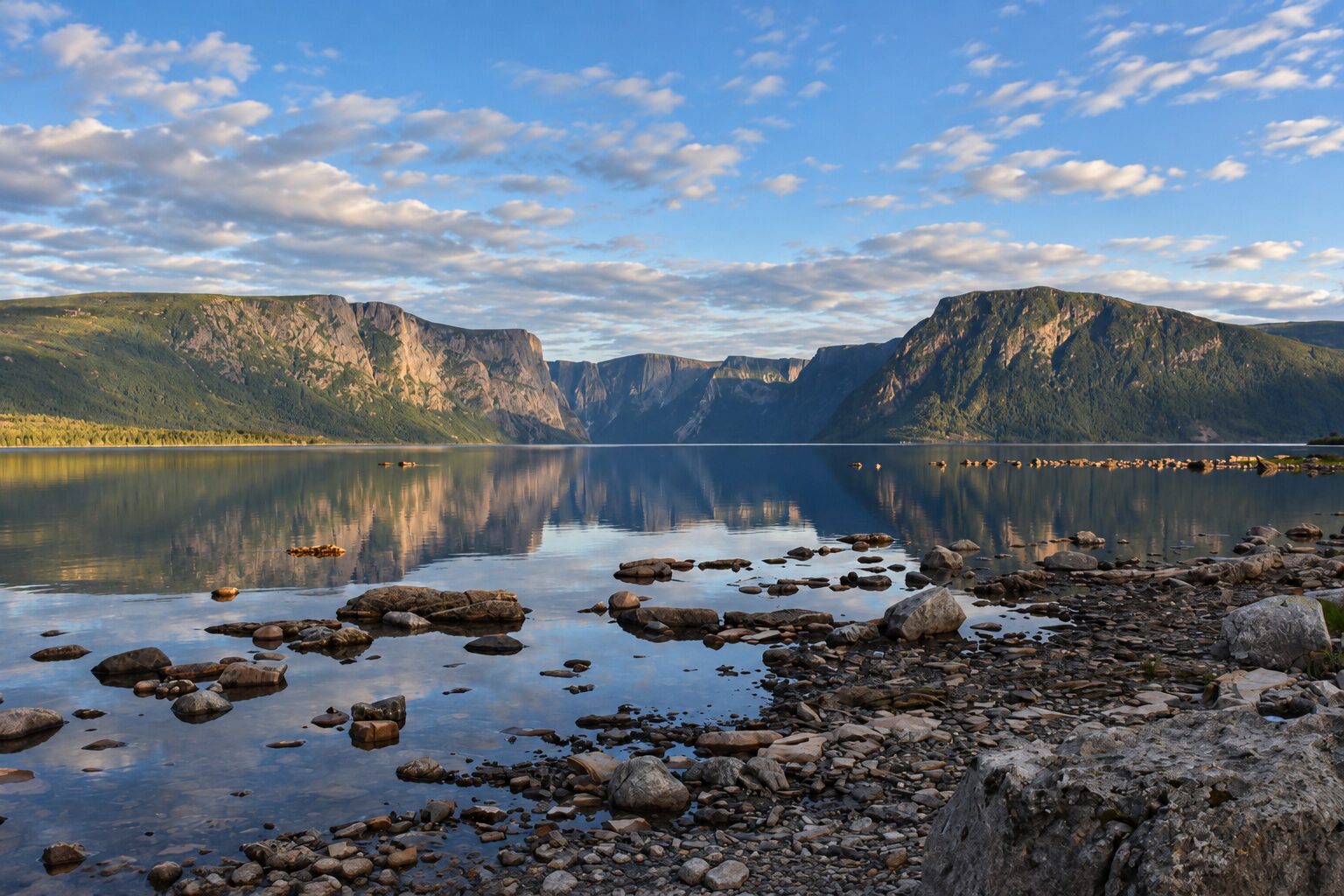
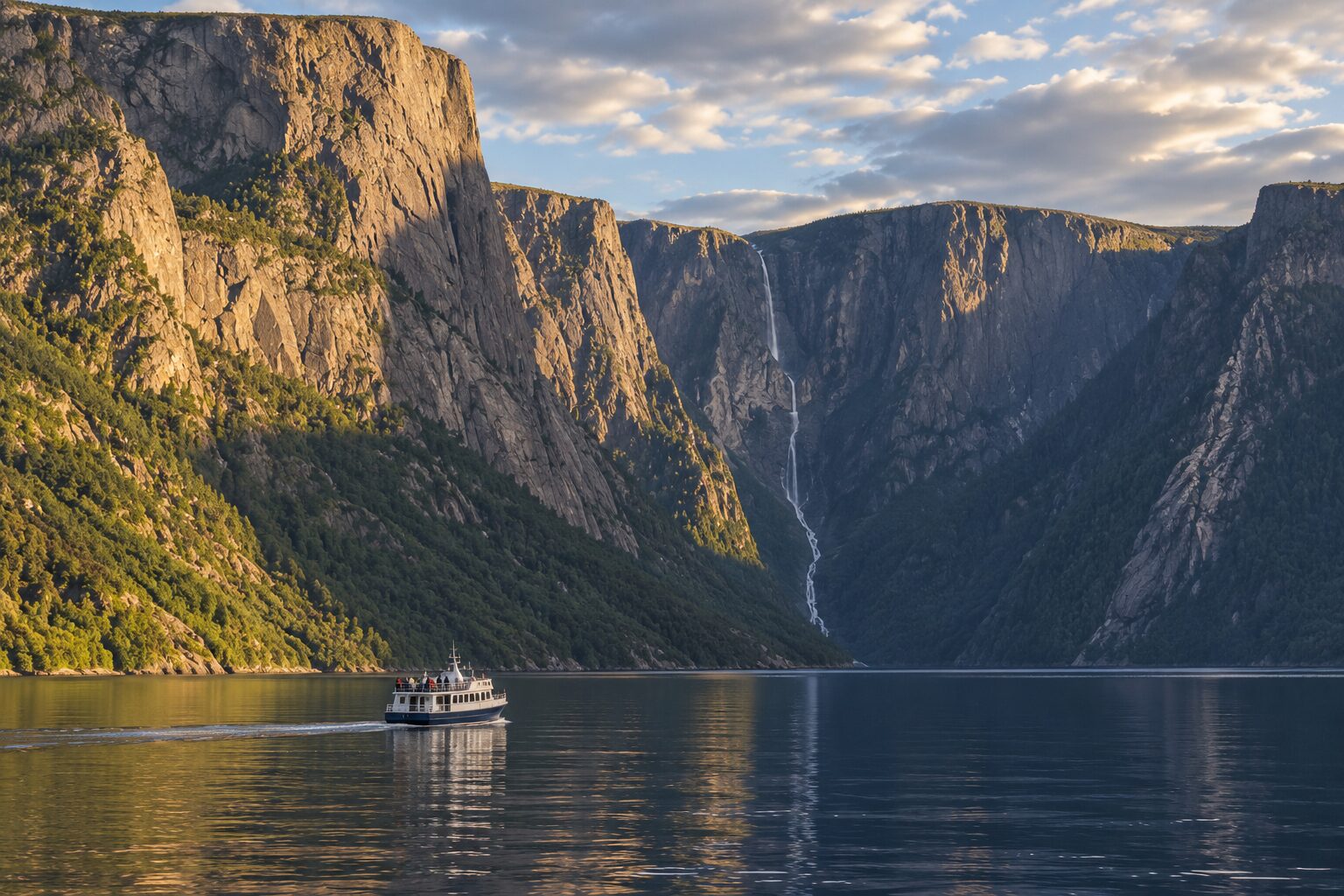
A UNESCO World Heritage fjord land where flat-topped cliffs plunge into the landlocked Western Brook Pond. Hike the exposed Tablelands, boat the fjord, and stand on rock from the Earth's mantle.
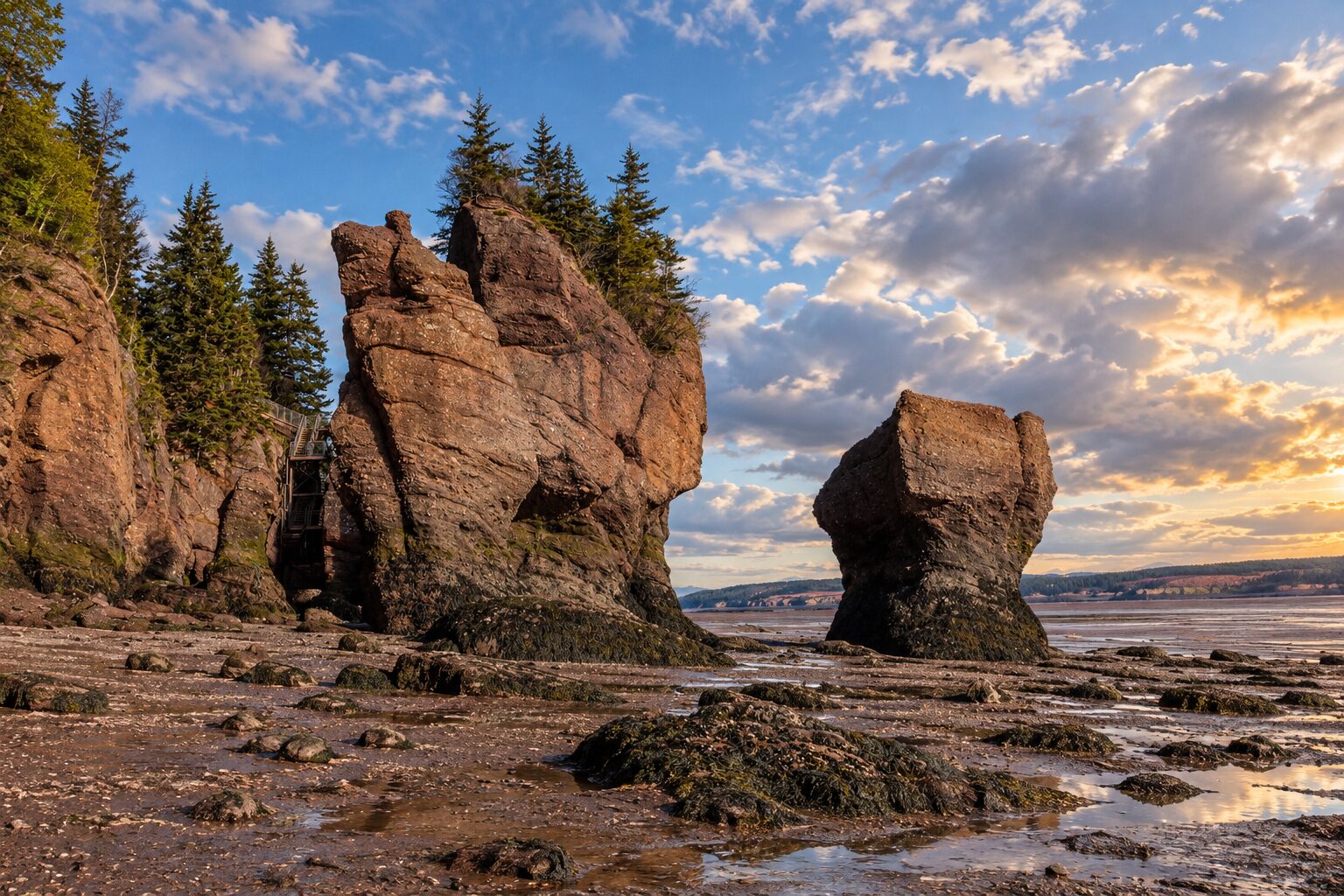
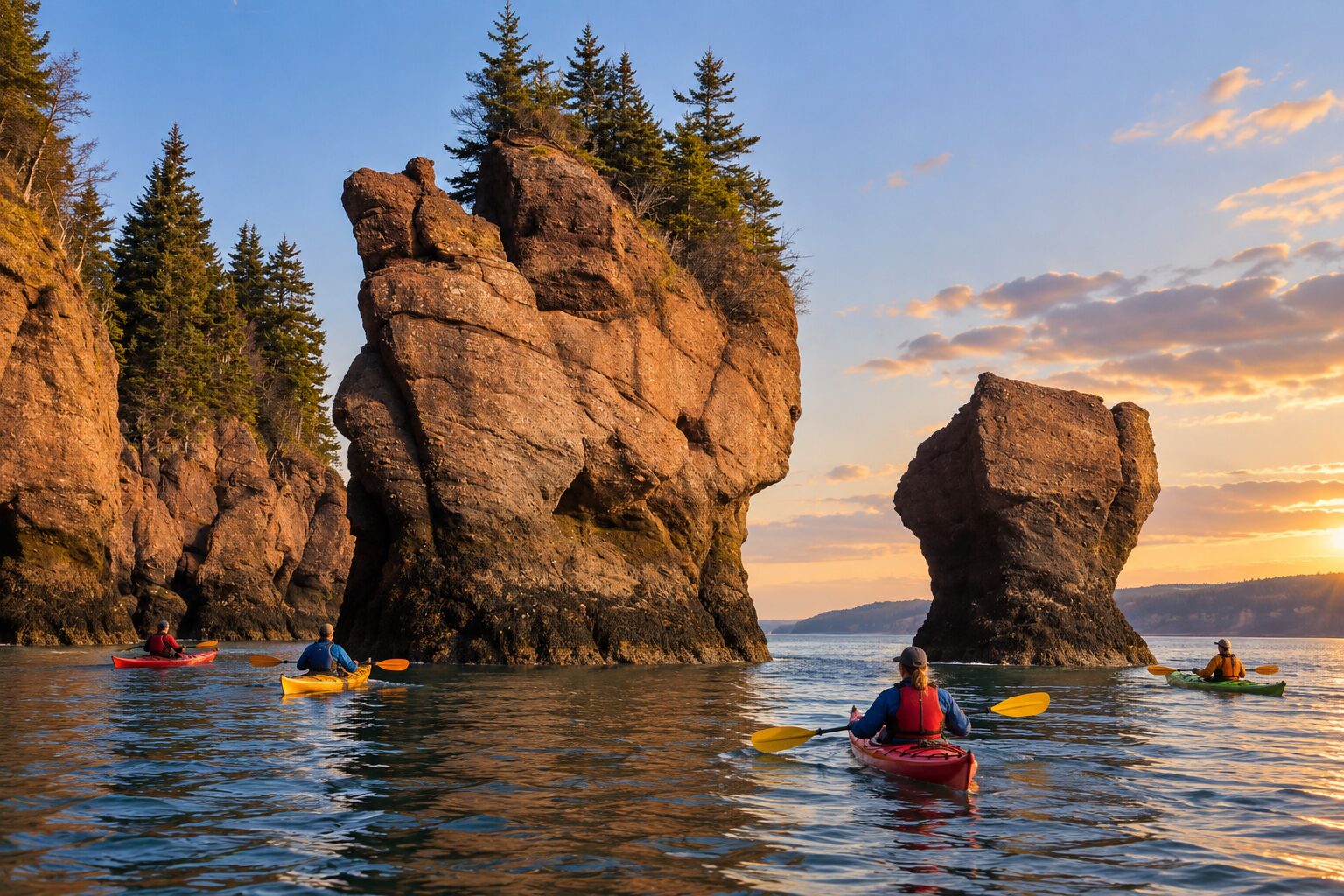
Towering red 'flowerpot' sea stacks you can walk around on the ocean floor at low tide — then watch the world's highest tides swallow them, letting kayakers paddle where you just stood.
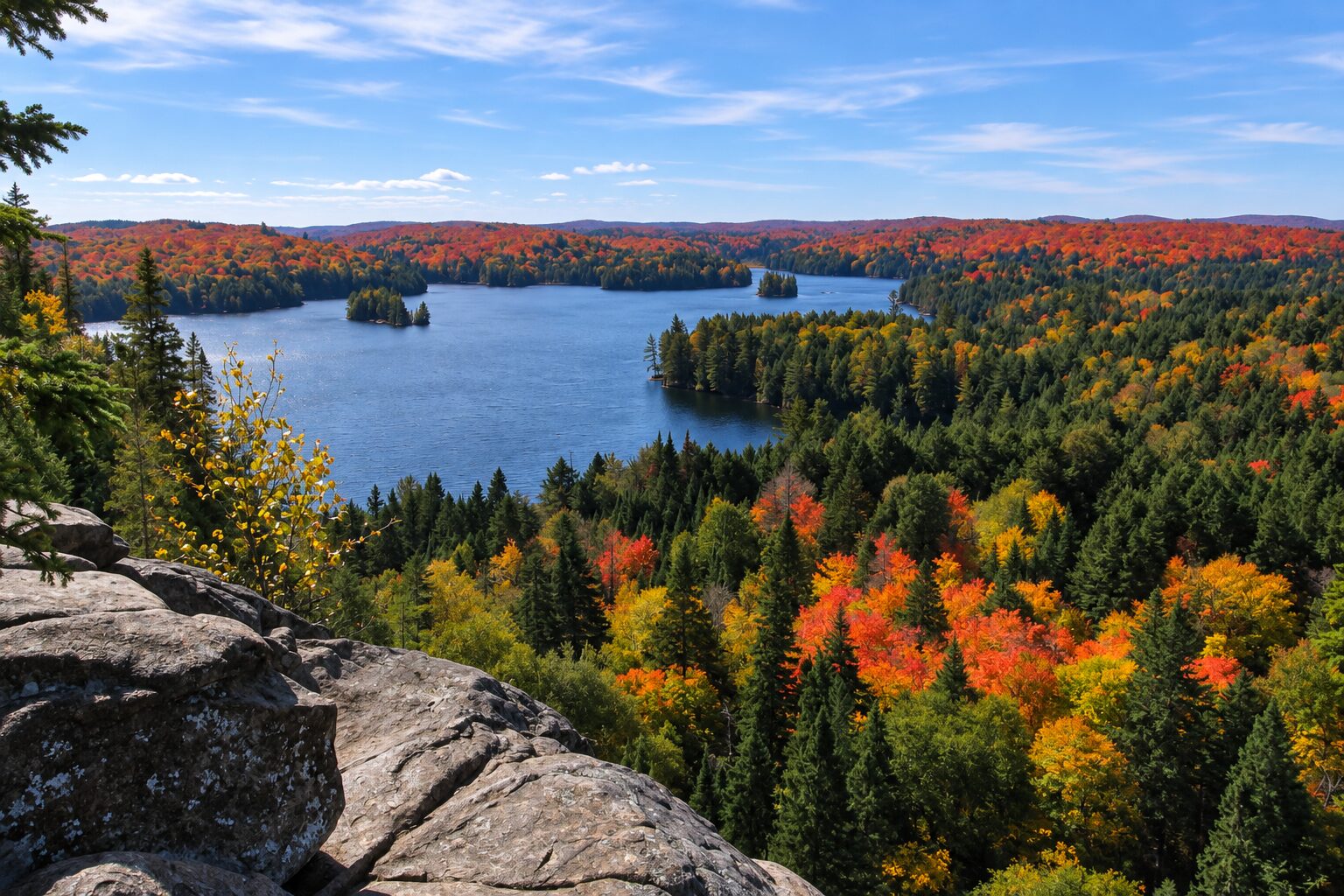
Ontario's canoe-tripping heartland — 7,600 square kilometres of maple hills, spruce bog and interconnected lakes. Paddle backcountry routes, listen for wolves on an August howl night, and catch the fiercest fall colour in the country.
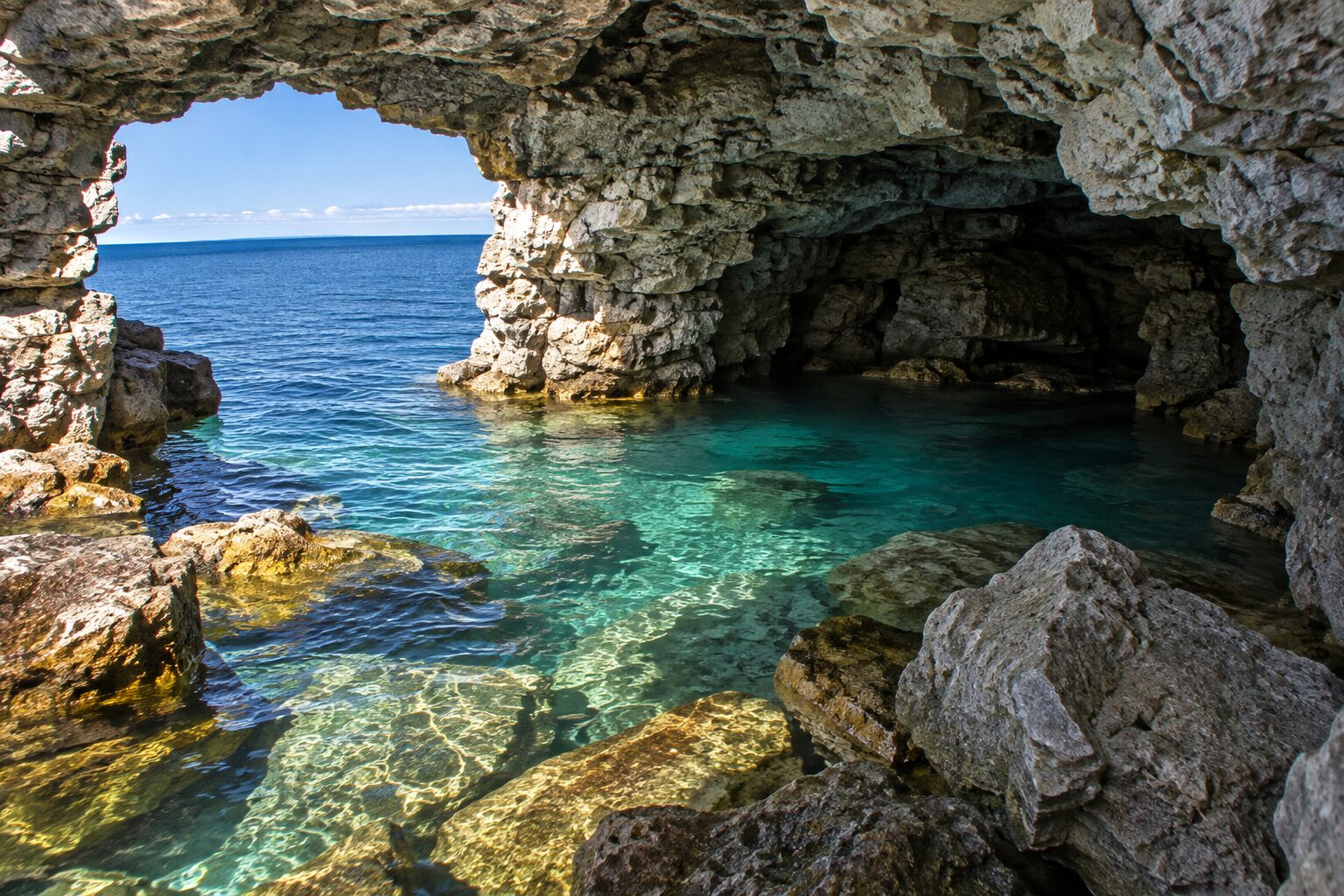
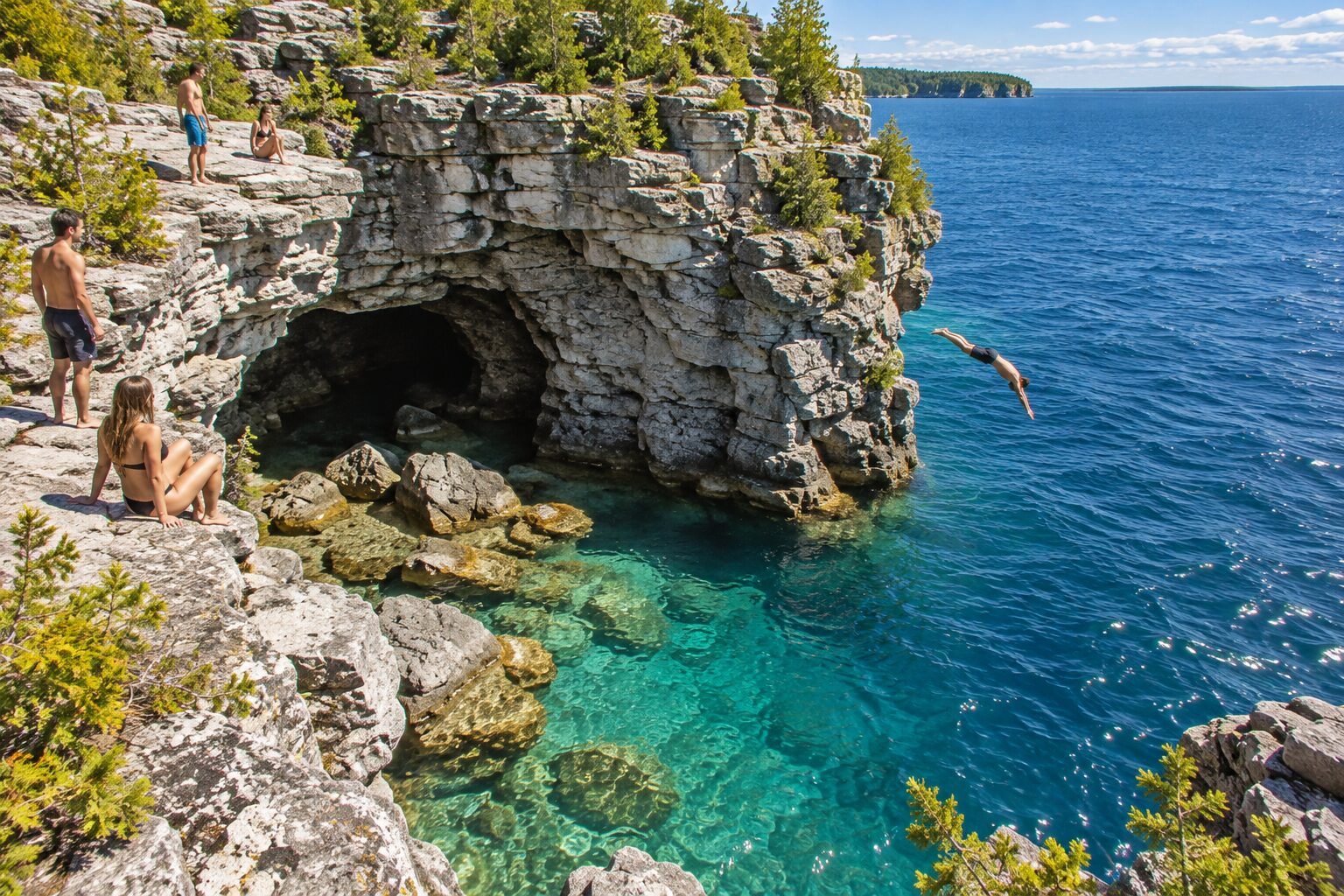
A limestone sea cave glowing with turquoise Georgian Bay water at the tip of the Niagara Escarpment. Swim in the cold clear cove, scramble the white dolomite shoreline, and hike the Bruce Trail cliffs.
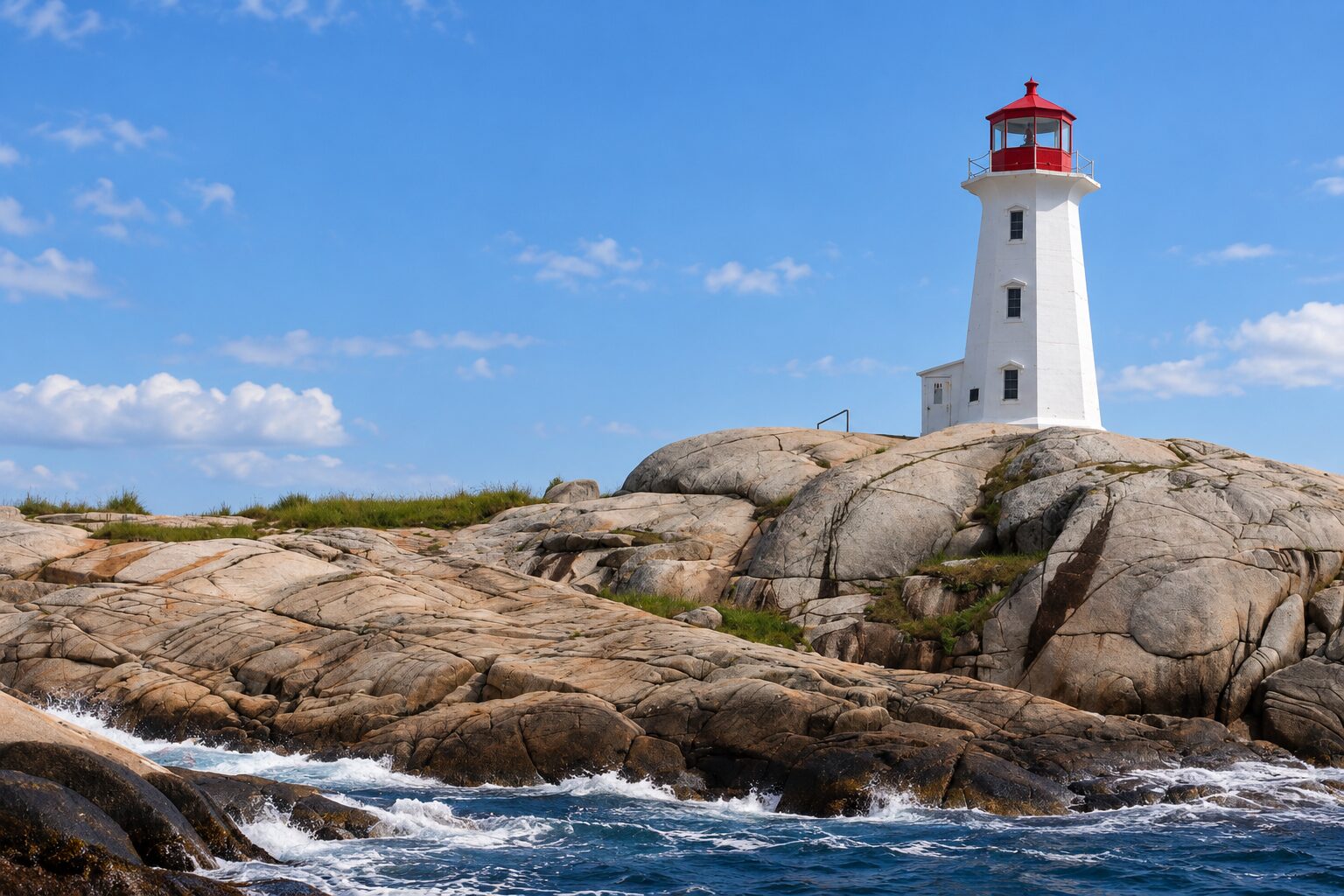
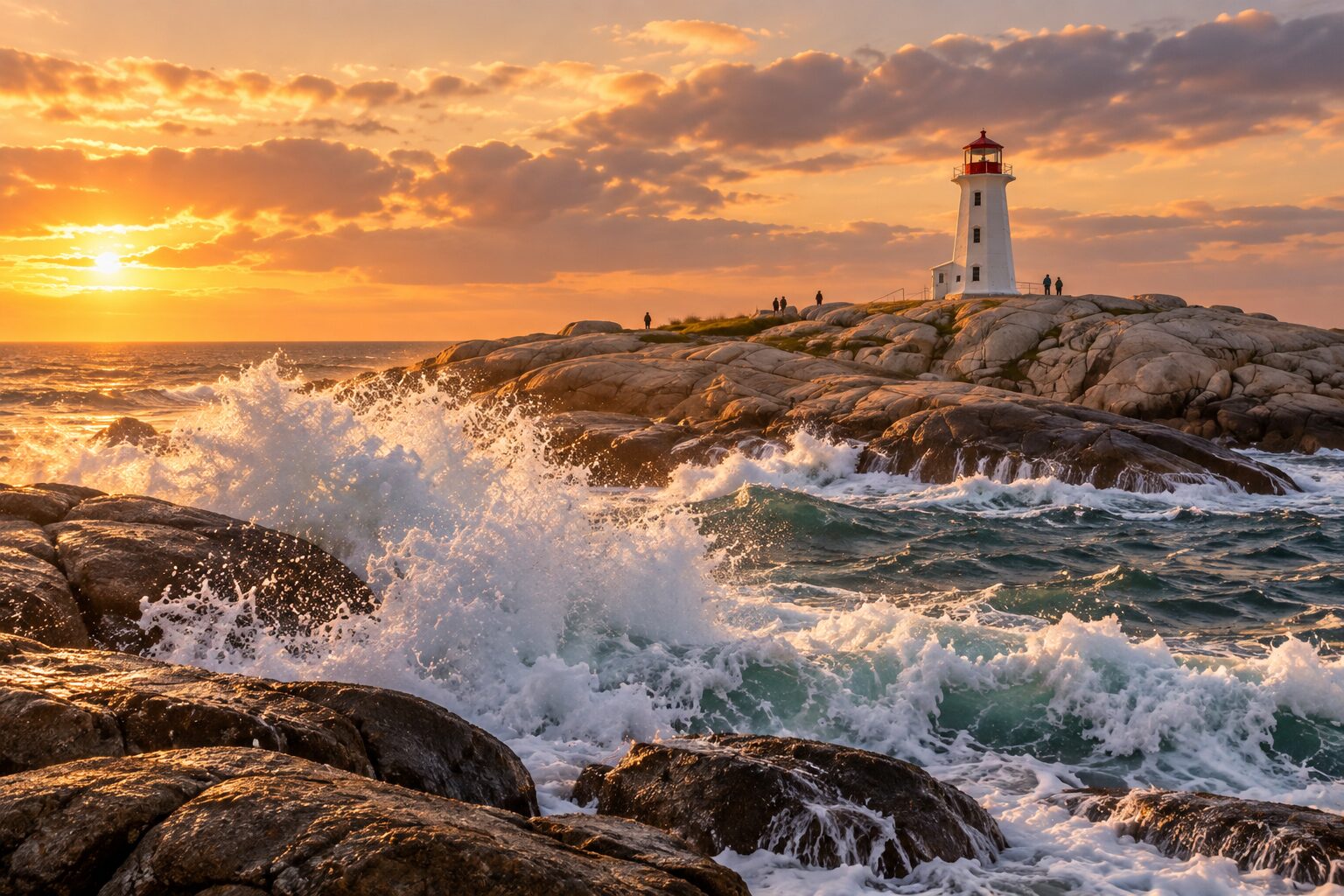
The most photographed lighthouse in Canada stands on wave-smoothed granite at the edge of the Atlantic. A small fishing village, big open sky, and a coastline that turns dramatic when the surf is up.
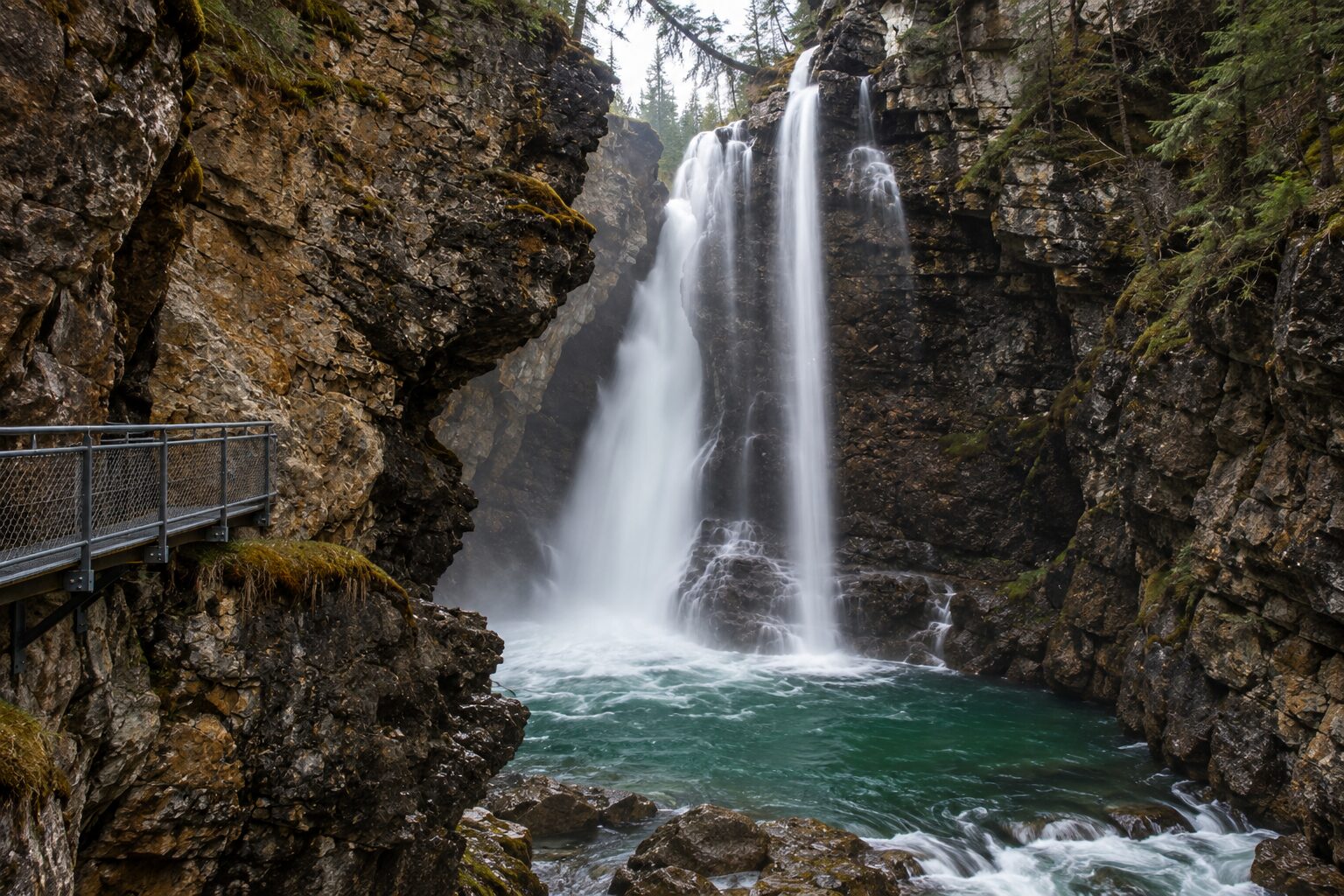
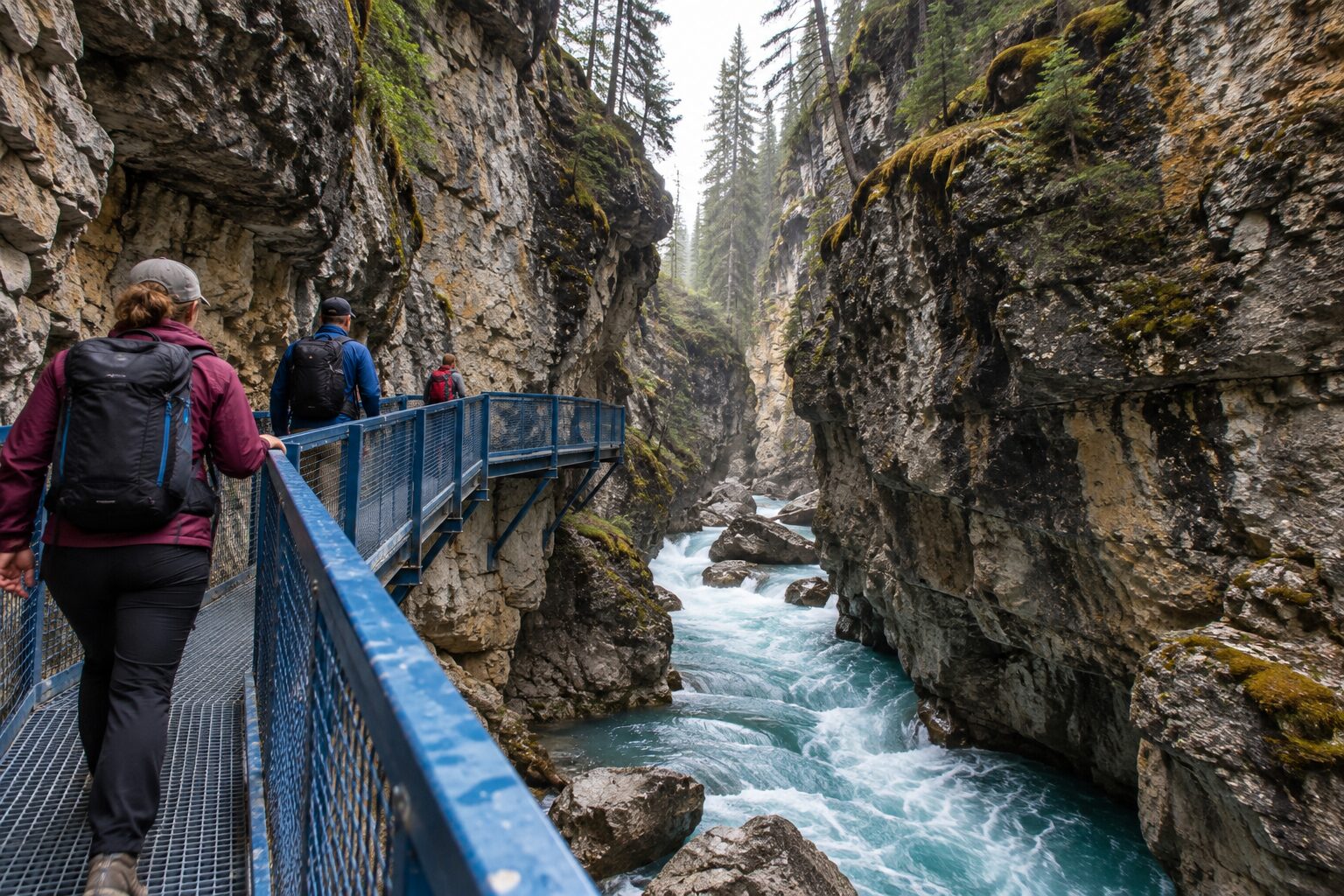
A steel catwalk bolted right to the canyon walls carries you above a rushing blue-green creek to the Lower and Upper Falls — and in winter the frozen falls become a playground for guided icewalks.
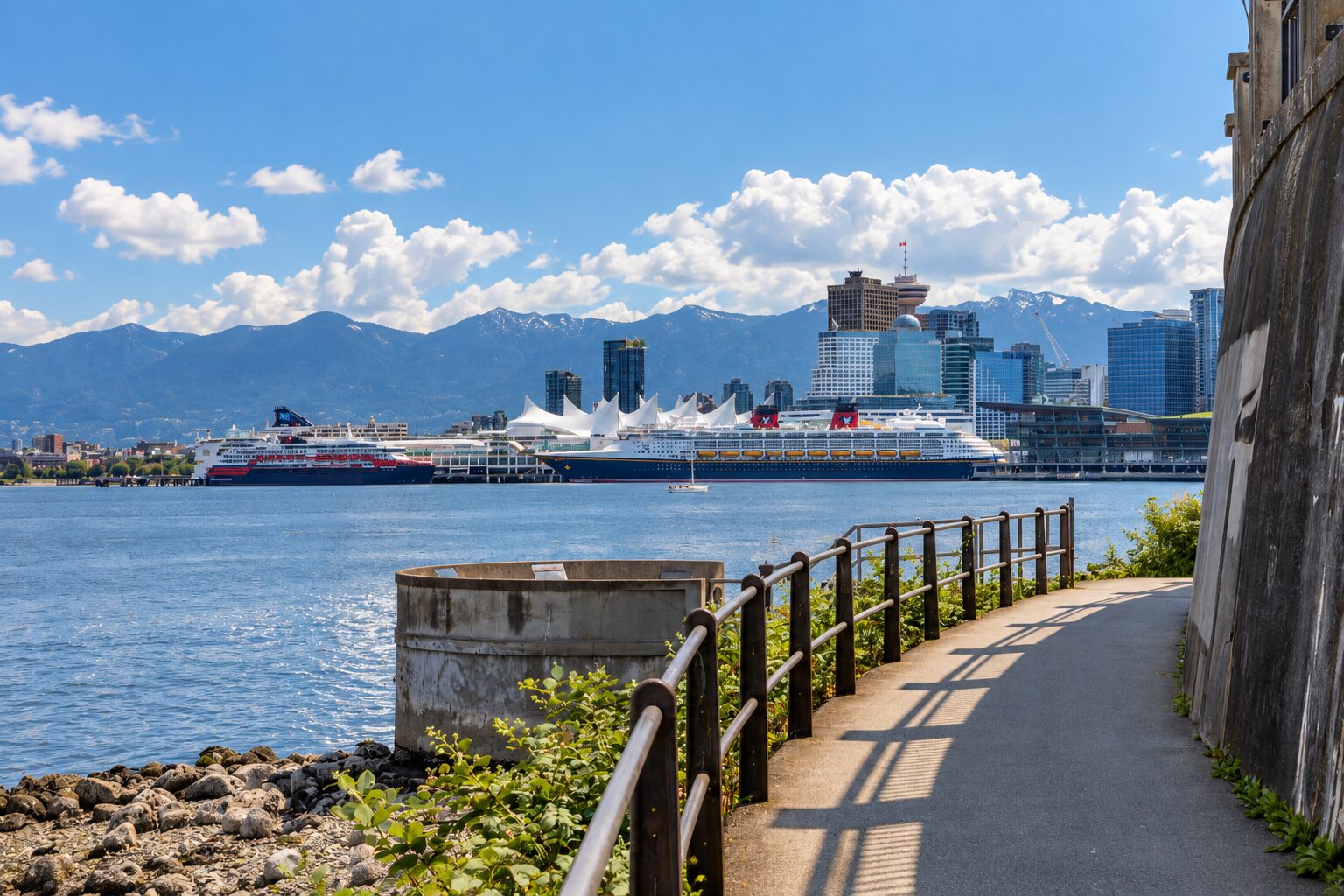
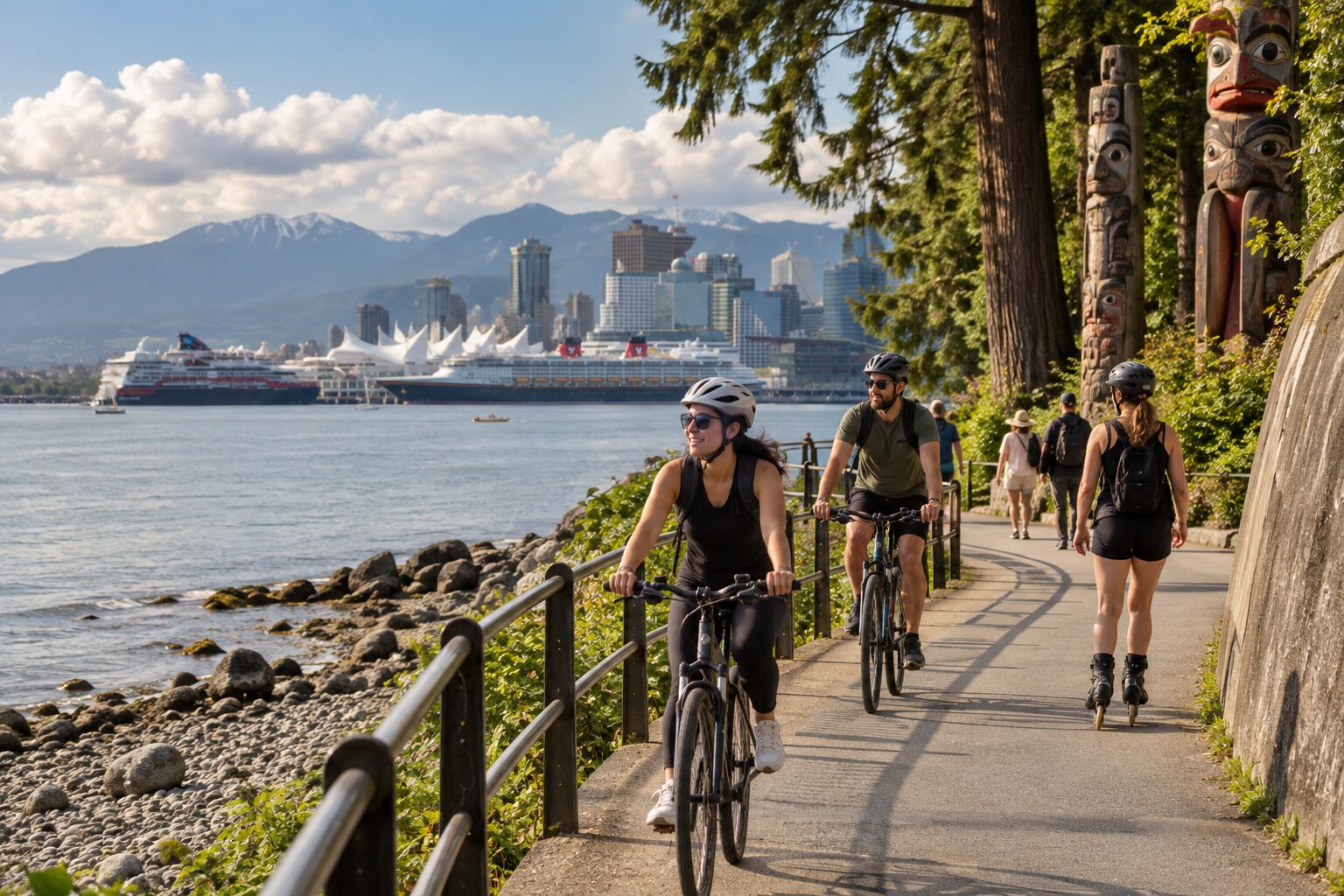
A 9-kilometre waterfront loop around a 400-hectare rainforest peninsula in the middle of the city — cycle or walk past totem poles, beaches and the downtown skyline, all beneath giant cedars.
How our ratings work
Every destination is scored out of ten on four axes, so you can match the place to the trip you actually want.
How much thrill and physical challenge to expect, from gentle strolls to serious climbs.
The sheer visual payoff — the views that make the trip worth it.
How well the spot suits families with children, for pace, safety and facilities.
How easy the place is to reach, including roads, transit and infrastructure.
Before you go
It depends on the adventure. July to September is prime for Rockies hiking, canoeing and coastal trails; December to March is the season for skiing, snowshoeing and frozen-canyon icewalks. Fall brings the country's best colour, especially in Ontario and the Maritimes.
For the national and provincial parks — Algonquin, Gros Morne, the Bruce Peninsula — a car is essential. City-edge spots like Capilano, Stanley Park and Niagara Falls are well served by transit and shuttles, so you can reach them without driving.
No. Our four ratings — Adventure, Scenery, Family and Access — are Canada Bridge's own editorial read of each place, meant to help you match a destination to the kind of trip you want.
Yes. Moraine Lake, Lake Louise and the Bruce Peninsula's Grotto all use timed parking or shuttle reservations in peak season, and they sell out early. Always check the official park site before you travel.
Plan your adventure
2286 West 13th Avenue, Vancouver, BC V6K 2S3, Canada